A proposal photography checklist is the planning framework that ensures every critical moment of your proposal is captured on camera, from the nervous walk to the spot to the tearful yes. Most couples focus entirely on the ring and the words, then realise too late that the photographer was in the wrong position or the light had already gone. Getting this right means planning 4–6 months ahead, briefing your photographer thoroughly, and working through each step with the same care you give the proposal itself. This guide walks you through exactly that, step by step.
1. What belongs on your proposal photography checklist
The checklist covers six core areas: booking, location, timing, signals, gear, and post-proposal coverage. Miss any one of them and you risk a blurry shot, a missed reaction, or a photographer who arrives after the moment has passed. Think of it less like a to-do list and more like a shoot plan that you and your photographer build together. Every item has a reason, and every reason connects back to the same goal: genuine, unposed images that tell the full story.
2. How and when to book your proposal photographer
Booking is the first and most time-sensitive step. Experienced proposal photographers fill their calendars quickly, especially across peak months like october, november, and february. Booking 4–6 months out gives you the best choice of photographer and the most flexibility on date and location.
When you are choosing a photographer, look specifically for someone with experience in surprise proposals. This is a different skill set from portrait or wedding photography. A surprise proposal requires the photographer to stay hidden, read body language, and shoot without direction. Ask to see examples of candid proposal work, not just posed couples sessions.
Once you have booked, brief your photographer on:
- The exact location and your planned route to get there
- The time of day and expected light conditions
- Any signals you will use to cue the shoot
- Whether family or friends will be present
- Your partner’s name and a recent photo so the photographer can identify them
Pro Tip: Choose a photographer who knows your location well. Local knowledge about foot traffic, parking, and light angles at different times of day is worth more than a lower price.
3. Choosing and preparing your proposal location
Clean backgrounds matter more than prestigious locations. A quiet garden path with soft light will produce better images than a famous landmark surrounded by tourists and rubbish bins. The background is always in the frame, so treat it as part of the composition.
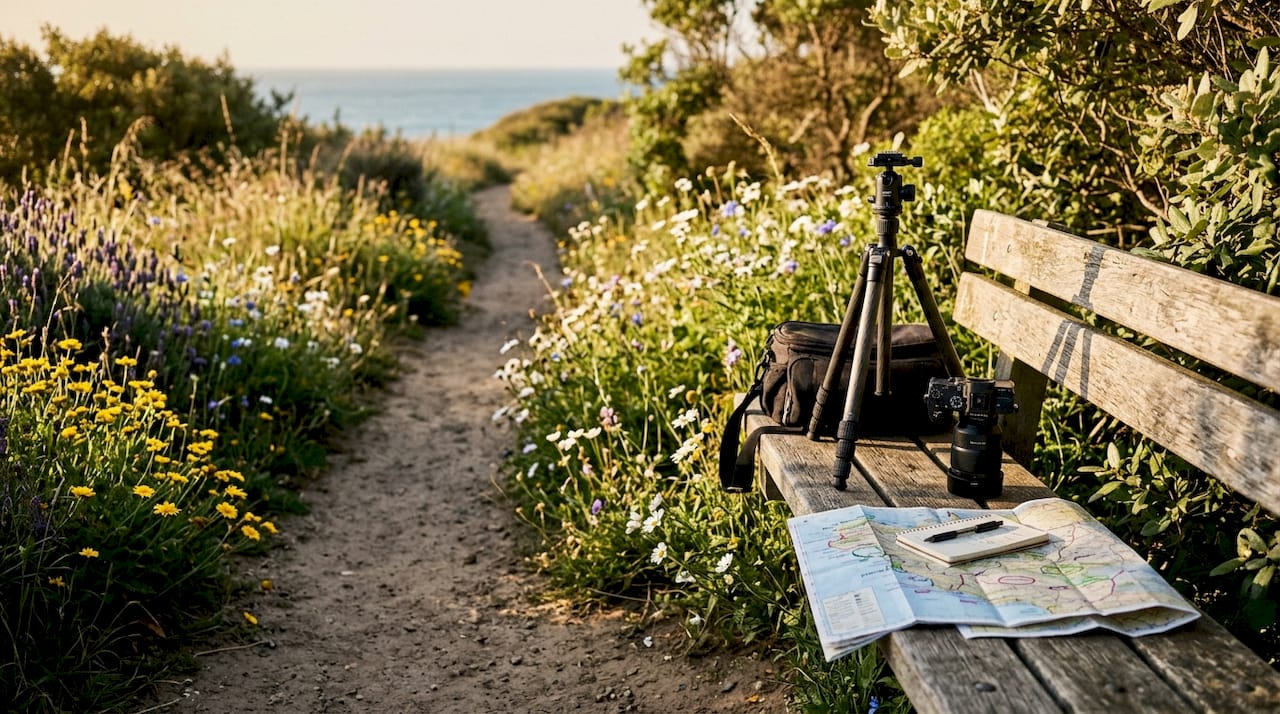
Scout the location at the exact time of day you plan to propose. Lighting and foot traffic change dramatically between morning and afternoon. What looks peaceful at 9am can be crowded and harsh by midday.
| Factor | What to check |
|---|---|
| Light quality | Soft and directional, not flat or harsh overhead |
| Background clutter | No bins, signage, or heavy foot traffic |
| Crowd levels | Quiet enough for privacy and clean shots |
| Backup option | A nearby alternative if conditions change |
| Photographer position | A natural hiding spot with clear sightlines |
Golden hour lighting is the preferred choice for most proposal shoots, but quieter mid-morning sessions can work well when the location is typically crowded at dusk. Choose timing based on what the location actually looks like, not what sounds romantic in theory.
Pro Tip: Visit the location twice before the proposal day. Go once to scout and once at the exact proposal time to confirm the light and crowd levels match your expectations.
4. Planning discreet signals and timing
Coordinating with your photographer without alerting your partner is one of the trickiest parts of the whole process. Natural signals work best. Touching your watch, adjusting your jacket, or using a pre-agreed phrase in conversation are all low-key cues that your photographer can act on without drawing attention.
Proposal photographers typically arrive 60–90 minutes early to scout the exact spot, test their position, and confirm their hiding point. This early arrival is not optional. It is what separates a photographer who is ready when the moment happens from one who is still finding their footing.
“The difference between a great proposal photo and a missed one is almost always timing. The photographer needs to be in position before you arrive, not scrambling to catch up.”
A final check-in text 30–45 minutes before the proposal confirms that conditions are clear, the light is right, and the photographer is in position. This is your last chance to flag any changes, such as a crowd that has not cleared or a shift in your arrival time.
Pro Tip: Walk the route to the proposal spot at least once beforehand. Know exactly how long it takes so you are not rushing or pausing awkwardly while your photographer waits.
5. Proposal shoot essentials for the day
The day itself needs its own checklist. Even the best planning can unravel if small details are overlooked on the morning of the proposal.
- Confirm the ring is secure and accessible, not buried in a bag
- Send your photographer a final confirmation text with your arrival time
- Agree on the exact signal you will use to cue the shoot
- Have a weather backup plan and communicate it to your photographer
- Confirm your photographer’s phone is on silent but vibrate is on
- Know your photographer’s position so you naturally face toward them during the proposal
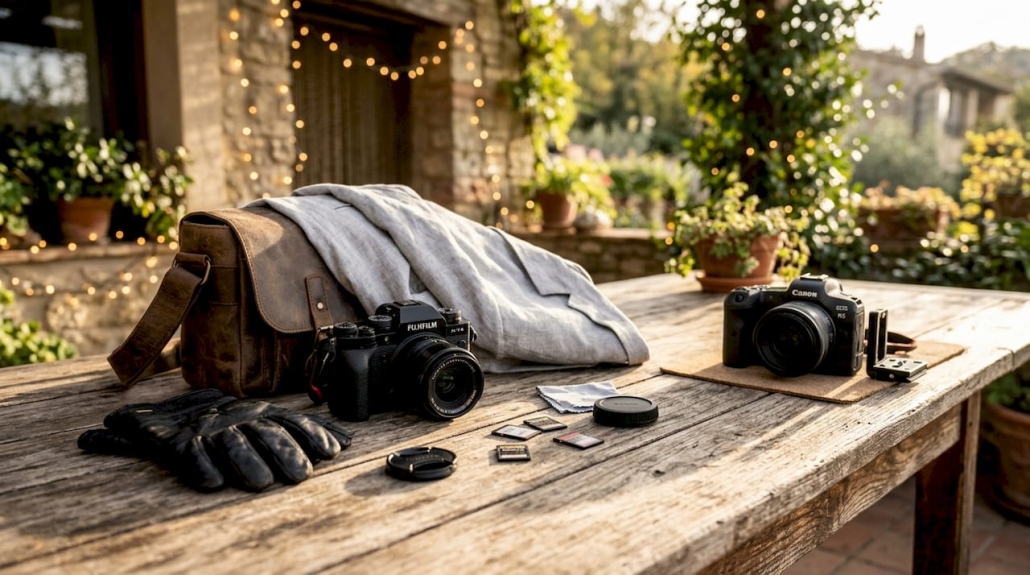
Experienced photographers use low-profile equipment such as hip holsters to keep their camera hidden until the moment arrives. This keeps the scene natural and avoids your partner noticing a camera before the question is asked. Ask your photographer how they plan to stay discreet and what gear they will use.
Pro Tip: Ask your photographer to shoot in continuous burst mode during the proposal itself. Reactions happen in fractions of a second, and burst mode captures the full sequence rather than a single frame.
6. Capturing the moments after the proposal
Stopping the shoot immediately after the ring is placed is one of the most common mistakes couples make. The 30 minutes after the proposal are often the most emotionally rich part of the entire session. Tears, laughter, phone calls to family, and the first quiet moments as an engaged couple all happen in this window.
Allow at least 20–30 minutes of post-proposal photography. This time covers:
- Immediate reactions and embraces
- Detail shots of the ring on the hand
- Candid moments as the reality sets in
- Calls or messages to family if that is part of your plan
- A short relaxed couples session while emotions are still high
These images complete the storytelling arc. The proposal photo shows the question. The post-proposal photos show the answer and everything that follows. Both halves are needed for the full picture. If family or friends are part of the surprise, coordinate with your photographer beforehand so they know when and how to bring them in without disrupting the natural flow.
Key takeaways
A thorough proposal photography checklist, built around early booking, careful location scouting, and clear photographer communication, is the single most reliable way to ensure every genuine moment is captured.
| Point | Details |
|---|---|
| Book 4–6 months ahead | Early booking secures experienced photographers and gives time to plan every detail. |
| Scout at proposal time | Visit the location at the exact time of day to confirm light and crowd conditions. |
| Use natural signals | Pre-agreed subtle cues keep the surprise intact while cueing your photographer. |
| Allow post-proposal time | Plan at least 20–30 minutes after the proposal for candid emotional coverage. |
| Brief your photographer fully | Share the route, signal, location, and your partner’s photo before the day. |
What I have learned from photographing proposals
As an experienced proposal photographer, the thing I see go wrong most often is not the location or the light. It is the couple’s relationship with their photographer. When there is not enough trust or communication built beforehand, the whole plan gets shaky on the day.
The couples who get the best results are the ones who treat the photographer briefing as seriously as the proposal itself. They share details, ask questions, and stay flexible. They also understand that natural, unobtrusive photography produces far more meaningful images than anything staged or directed.
My honest advice is to resist the urge to over-choreograph. The more you try to control every frame, the less genuine the photos feel. Give your photographer the information they need, agree on the signals, and then let the moment happen. The best proposal images I have ever taken were ones where the couple forgot I was there entirely.
— Steven
Proposal photography with Svenstudios
Planning a proposal in Adelaide or beyond? Svenstudios specialises in authentic, candid photography that captures real emotion without interrupting the moment. Steven and Luisa bring years of experience photographing surprise proposals, with a relaxed approach that keeps couples at ease and the camera invisible until it matters most. Every package is tailored to your location, timing, and vision, so nothing is left to chance. Browse the couples photography portfolio to see how genuine proposal moments look when they are captured well, then get in touch to talk through your plans.
FAQ
How far ahead should I book a proposal photographer?
Book 4–6 months before your proposal date to secure the best photographers and confirm all logistics. Photographers can sometimes accommodate bookings closer to the date, but options and availability narrow significantly.
When should the photographer arrive on the proposal day?
Photographers should arrive 60–90 minutes early to scout the location, find their position, and confirm conditions before you and your partner arrive.
What is the best lighting for proposal photos?
Golden hour, the hour after sunrise or before sunset, produces the softest and most flattering light. Mid-morning can also work well at busy locations where golden hour crowds are a problem.
How long should post-proposal photography last?
Allow at least 20–30 minutes after the proposal for candid coverage. This window captures the most emotionally genuine moments, including reactions, ring detail shots, and the first quiet time together as an engaged couple.
What signal should I use to cue my photographer?
Use a subtle, natural cue such as touching your watch, adjusting your jacket, or saying a pre-agreed phrase. Avoid anything obvious that your partner might notice and connect to a photographer nearby.
Recommended
Love this style of photography?
Planning something beautiful?