Testimonials are the single most reliable tool for assessing a wedding photographer beyond what any portfolio can show. A beautifully curated gallery tells you what a photographer can do on their best day. A testimonial tells you what they actually do, consistently, under pressure, with real couples on real wedding days. The role of testimonials in wedding photographer selection goes far deeper than star ratings or follower counts. They reveal reliability, emotional intelligence, and the kind of calming presence that makes your wedding day feel genuinely joyful rather than stressful.
What do wedding photographer testimonials actually reveal?
Testimonials communicate four things that portfolios simply cannot: consistency, workflow reliability, professionalism under pressure, and emotional support. Each of these matters enormously on a wedding day, and each is nearly invisible in a curated gallery of highlight shots.
Here is what to look for in each area:
- Style consistency. Does the photographer deliver the same quality across different venues, seasons, and lighting conditions? Testimonials from couples married in different settings will tell you quickly.
- Delivery timelines. Reviews that mention how long photos took to arrive reveal whether a photographer respects agreed deadlines. This is a practical detail that portfolios never address.
- Professionalism under pressure. Look for stories about how the photographer handled a late ceremony, difficult family dynamics, or unexpected rain. These moments define the experience.
- Emotional intelligence. Testimonials gauge a photographer’s emotional intelligence, which is the ability to help couples feel seen, calm, and supported throughout the day. This is the quality that separates a good photographer from an unforgettable one.
Pro Tip: Ask your shortlisted photographers if they can share testimonials from weddings held in similar venues or conditions to yours. Relevant context makes reviews far more useful. You can also explore our Adelaide wedding photographers.
Testimonials also reveal something subtler: whether the photographer blends naturally into the day or becomes a source of stress. A photographer’s calming presence and ability to move through a wedding without disrupting its flow are traits that only past clients can describe. No portfolio shot will ever show you that.

How do you critically evaluate wedding photographer reviews?
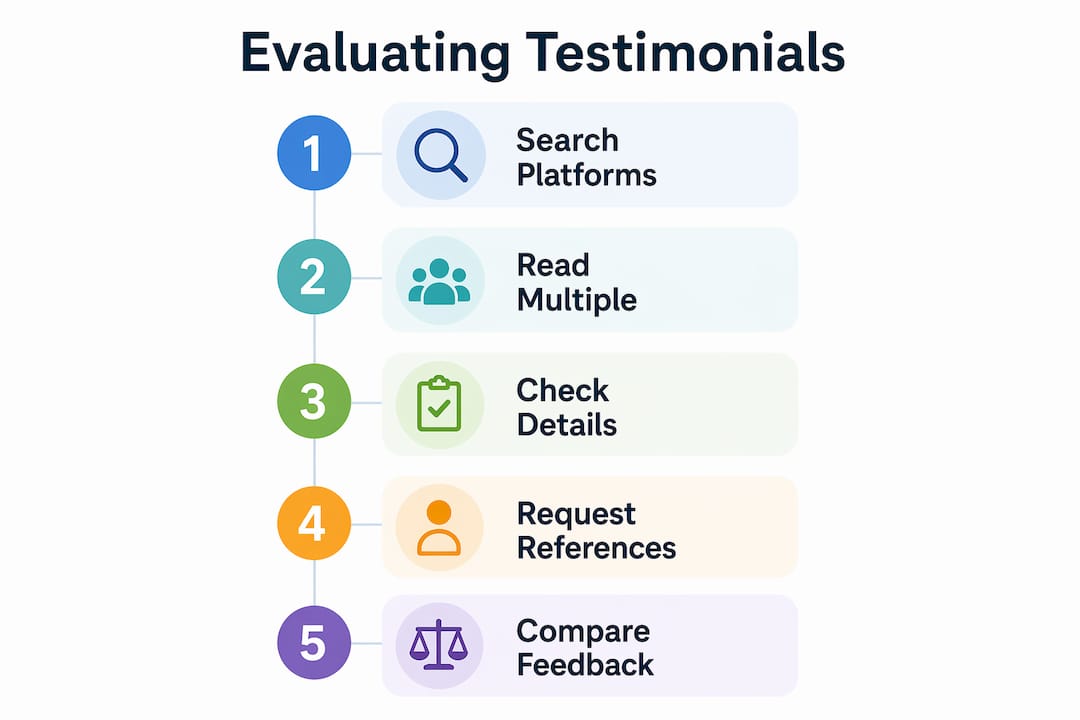
Reading testimonials well is a skill. Most couples skim reviews looking for positive sentiment, but the real value lies in the specific details buried inside them. Follow these steps to read reviews with purpose.
- Prioritise recent reviews. A photographer’s style and service can shift substantially over time. Recent reviews matter most because a photographer’s approach may have evolved considerably over five or six years. A glowing review from 2018 may not reflect who they are today.
- Look for specific narratives, not generic praise. “Amazing photographer, loved our photos” tells you very little. “Steven stayed calm when our ceremony ran 45 minutes late and still captured every moment we hoped for” tells you everything. Specific narratives about problem-solving provide far stronger vetting value than vague positivity.
- Identify recurring themes. Read at least eight to ten reviews and note what comes up repeatedly. If multiple couples mention feeling relaxed, that is a reliable signal. If several mention slow communication, that is a pattern worth taking seriously.
- Combine reviews with full gallery requests. Viewing full galleries alongside testimonials confirms consistent results across different venues and lighting conditions. A highlight reel shows best-case shots. A full gallery shows the real range.
Pro Tip: Search for the photographer’s name on Google, Facebook, and wedding directories like Easy Weddings or Bridebook. Cross-referencing platforms reduces the risk of seeing only curated or cherry-picked reviews.
When you read a testimonial that describes how a photographer helped a nervous bride relax on the wedding day, that is not a small detail. That is evidence of emotional skill that directly affects how your photos will look and how your day will feel.
Testimonials vs. other vetting tools: which tells you the most?
No single vetting tool gives you the full picture. The most confident couples use several together. Here is how each one compares.
| Vetting tool | What it shows | What it misses |
|---|---|---|
| Portfolio | Best-case creative work | Consistency, workflow, presence |
| Star ratings | Quick overall impression | Depth, nuance, specific experience |
| Testimonials | Reliability, emotional fit, professionalism | Visual style details |
| Referrals from planners | Trusted professional endorsement | Personal compatibility |
| Consultation call | Chemistry and communication style | Long-term reliability |
Star ratings serve as a quick impression tool, but the real value lies in written narratives that describe professionalism, stress management, and emotional support. A five-star rating with no written review is almost meaningless. A four-star review with a detailed story about how the photographer handled a difficult situation is gold.
Combining online testimonials with referrals from wedding planners and past clients reduces decision risk considerably. A wedding planner who recommends a photographer has seen them work across many weddings. That endorsement carries real weight. Pair it with written client reviews and a wedding portfolio review, and you have a genuinely thorough picture.
Common mistakes couples make when reading testimonials
Knowing what to avoid is just as useful as knowing what to look for. These are the pitfalls that lead couples to make poorly informed decisions.
- Relying on star ratings alone. A high average rating across a small number of reviews says very little. Ten reviews can quadruple booking potential, but the quality of those reviews matters far more than the number of stars.
- Accepting vague positivity at face value. Reviews full of phrases like “absolutely incredible” or “best decision ever” without any supporting detail are not useful. They may be genuine, but they give you nothing concrete to evaluate.
- Ignoring the emotional tone of reviews. How couples felt during the day is as important as how the photos turned out. Reviews that describe feeling rushed, ignored, or anxious are serious warning signs, regardless of the final image quality.
- Trusting outdated reviews. A photographer who received strong reviews five years ago may have changed their style, their team, or their service standards. Always weight recent feedback more heavily.
Key takeaways
Testimonials are the most reliable vetting tool for wedding photographer selection because they reveal consistency, emotional intelligence, and professionalism that portfolios and star ratings cannot.
| Point | Details |
|---|---|
| Testimonials reveal what portfolios hide | Reviews expose reliability, delivery timelines, and calming presence on the day. |
| Prioritise recent, specific reviews | Detailed narratives about real situations are far more useful than vague praise. |
| Star ratings need written context | A high rating without a written story tells you almost nothing about the experience. |
| Combine multiple vetting tools | Pair testimonials with full gallery reviews and referrals from wedding planners. |
| Emotional fit matters as much as skill | Reviews describing how couples felt are as important as comments about photo quality. |
What I’ve learned after years behind the lens
As an experienced wedding photographer, I can tell you that the reviews I value most are the ones that surprise even me. Couples often mention things I had forgotten: the moment I quietly handed a nervous groom a glass of water, or the way I repositioned a family group without anyone noticing the chaos I was managing. Those details matter because they reflect something that no portfolio can communicate.
The photographers who make couples feel genuinely at ease tend to produce the best images. That is not a coincidence. When people are relaxed, their expressions are real. When they trust the person behind the camera, they stop performing and start living the moment. Testimonials are the only way to know, before you book, whether a photographer creates that environment.
My honest advice: read at least ten reviews, look for emotional language alongside practical details, and ask the photographer directly about a challenging wedding they navigated. Their answer will tell you as much as any review ever could.
— Steven
Svenstudios: testimonials you can trust, photography you will love
At Svenstudios, Steven and Luisa have built their reputation on exactly the qualities couples describe in the best testimonials: a relaxed approach, genuine warmth, and the ability to capture real moments without manufactured poses. Their authentic wedding photography is shaped by years of client feedback and a deep commitment to telling each couple’s unique love story. Reading through their verified testimonials, you will find the same themes appearing again and again: couples felt comfortable, the day felt natural, and the photos exceeded expectations. If you are ready to see that consistency for yourself, explore the personalised photography experience Svenstudios offers and read what past couples have to say.
FAQ
Why do testimonials matter more than star ratings?
Star ratings provide a quick impression but lack the detail needed to assess professionalism, emotional support, and reliability. Written testimonials reveal the actual experience behind the rating.
How many reviews should I read before booking a photographer?
Read at least eight to ten reviews across multiple platforms to identify genuine patterns. A single glowing review is encouraging; consistent themes across many reviews are convincing.
What makes a testimonial trustworthy?
Specific details about real situations, such as how a photographer handled delays or supported a nervous couple, signal authenticity. Vague positivity without supporting detail is far less reliable than a concrete story.
Should I ask a photographer for references directly?
Yes. Asking for direct contact with past clients, alongside reading online reviews, gives you the most complete picture. Combining testimonials with referrals from trusted sources reduces booking risk considerably.
How recent should testimonials be?
Focus on reviews from the past one to two years. A photographer’s style and service standards can shift meaningfully over time, so older reviews may not reflect their current work.
Recommended
Love this style of photography?
Planning something beautiful?