Choosing proposal photography style is the single most important decision you make before the camera clicks. Your style choice determines whether your photos feel like a documentary of a real moment or a carefully posed portrait session. Proposal photography is distinct from engagement photography: proposal sessions capture the genuine, unrepeatable moment and your immediate reactions, while engagement sessions allow time for artistic portraits. Getting this distinction right shapes everything from how your photographer positions themselves to how your final gallery looks and feels.
What are the main types of proposal photography styles?
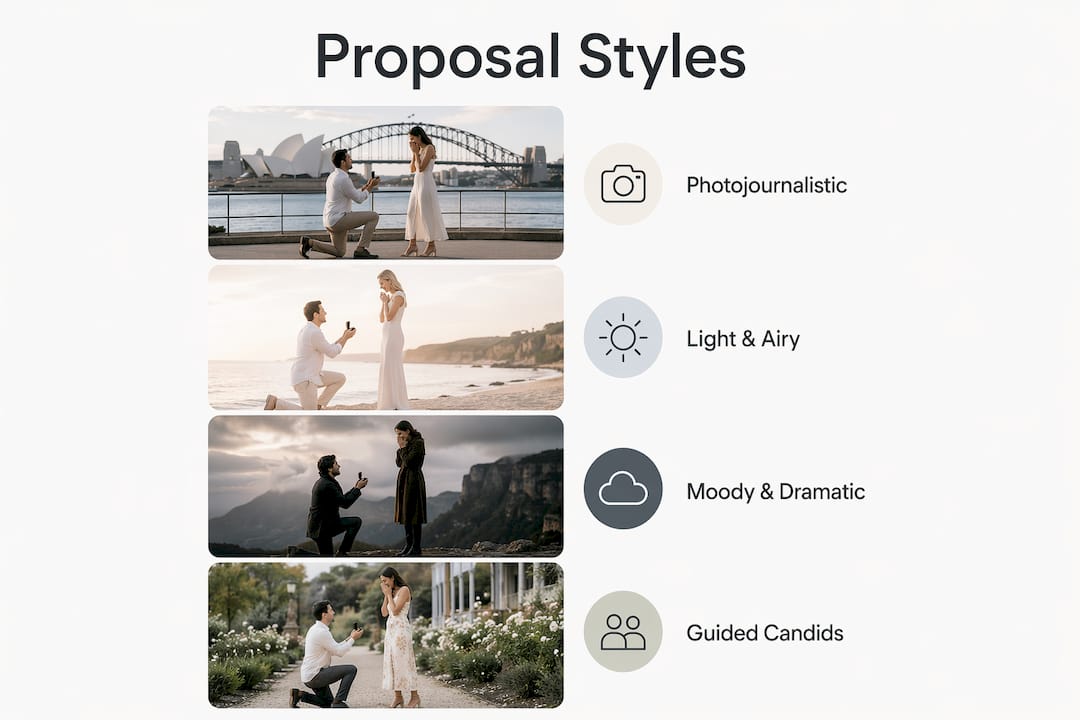
The four most recognised styles in proposal photography each create a different emotional experience. Understanding what each delivers helps you make a clear, confident choice.
Photojournalistic (documentary) is the most popular style for proposals. The photographer works at a distance, capturing candid moments without directing you at all. The result is raw, real, and often the most emotionally powerful. Your tears, laughter, and shock are preserved exactly as they happened.
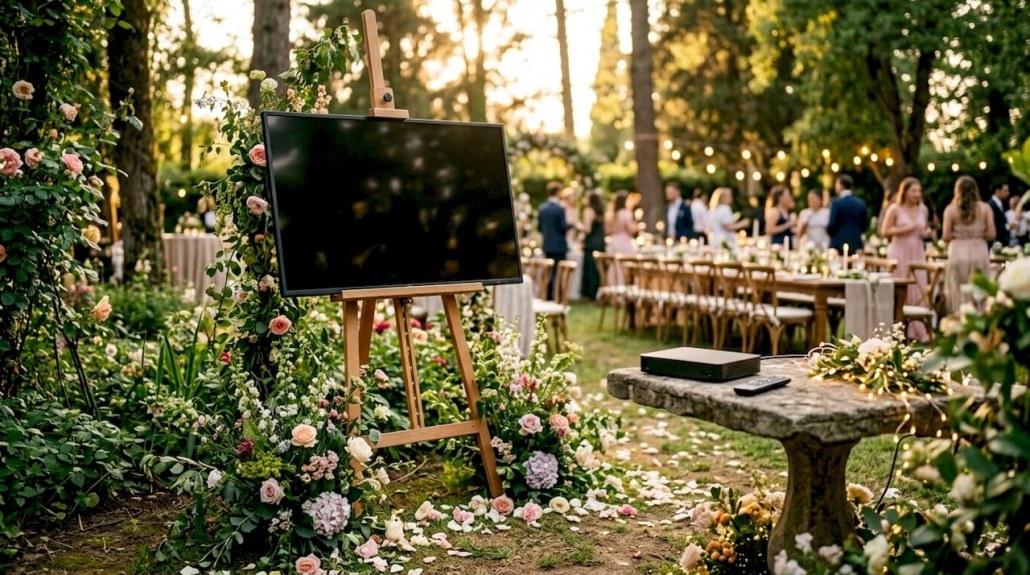
Light and airy uses natural light, bright tones, and soft colour to create a romantic, dreamy feel. This editing style suits outdoor settings with open sky or golden hour light. It works beautifully in gardens, beaches, or sun-drenched city streets.
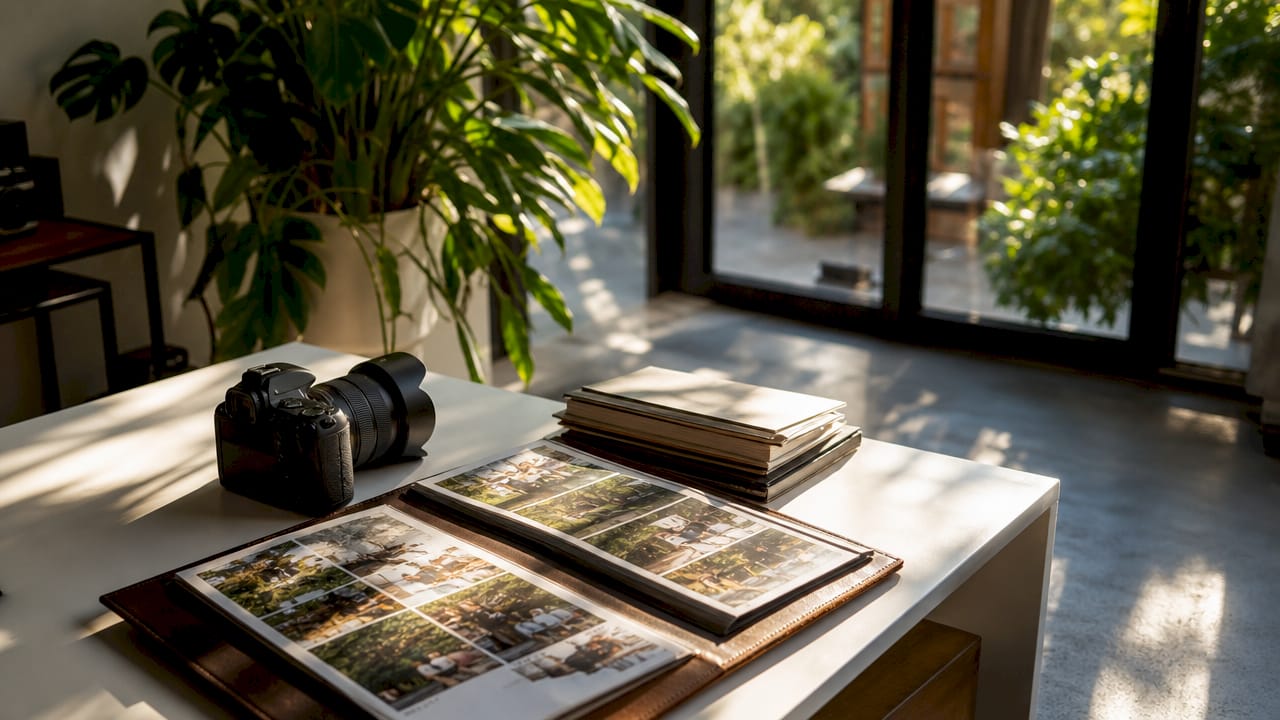
Moody and dramatic takes the opposite approach. Rich shadows, deep tones, and cinematic contrast create an intense, emotional atmosphere. This style suits indoor venues, overcast days, or locations with strong architectural character.
Guided candids sit between photojournalism and portraiture. Your photographer subtly positions you or suggests a direction, then steps back and lets the moment unfold naturally. The photos look candid but are gently shaped for better composition.
| Style | Best setting | Emotional tone |
|---|---|---|
| Photojournalistic | Any location | Raw, authentic, spontaneous |
| Light and airy | Outdoor, natural light | Romantic, soft, dreamy |
| Moody and dramatic | Indoor, overcast, architectural | Cinematic, intense, emotional |
| Guided candids | Any location | Natural with subtle polish |
How do you assess your preferences for the right style?
Choosing a photography style is about aligning with your story and personality, not selecting whatever is trending on social media. Start by asking yourselves a few honest questions.
- How do you feel about being photographed? If you freeze up in front of a camera, photojournalistic style removes that pressure entirely. If you enjoy being directed, guided candids may suit you better.
- What is your relationship’s natural vibe? Playful and spontaneous couples often love the energy of documentary shots. Romantic and sentimental couples tend to gravitate toward light and airy editing.
- Where is the proposal happening? A clifftop at golden hour calls for a completely different approach than a candlelit restaurant. Venue and lighting compatibility with your chosen style directly affects photo quality and emotional impact.
- What do you want to feel when you look at these photos in 20 years? This question cuts through trends quickly. If you want to relive the raw emotion, go documentary. If you want something that feels timeless and polished, consider light and airy or guided candids.
Scroll through your own Instagram saves and note which wedding or proposal photos stop you mid-scroll. The patterns in what you save reveal your genuine aesthetic preferences far more honestly than any quiz.
Pro Tip: Bring three to five saved photos to your photographer consultation. Showing is faster and more accurate than describing.
Practical steps to choose and prepare for your proposal photography style
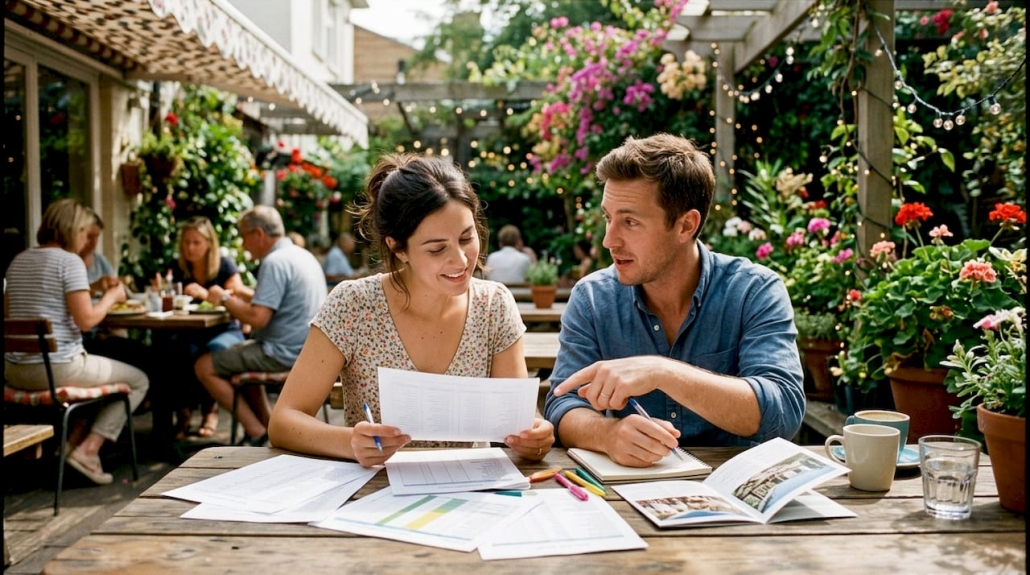
Reviewing a photographer’s portfolio is the most reliable way to assess whether their style matches what you want. Look at full galleries, not just highlight images. A single stunning shot tells you little. A full gallery of 60 to 80 images tells you everything about editing consistency and how they handle different lighting conditions.
Ask these questions when you meet a photographer:
- Do they specialise in one style or offer multiple approaches?
- Can they share a full gallery from a proposal session similar to yours?
- How do they handle surprise proposals without alerting the partner?
- What is their backup plan if weather or lighting changes?
Timing matters significantly for both visual quality and maintaining the surprise. Golden hour is popular for its warm, flattering light. A quieter mid-morning proposal can feel less suspicious and offers a more relaxed setting. Discuss timing openly with your photographer so they can position themselves without drawing attention.
Pro Tip: Ask your photographer to walk the location with you beforehand. Knowing the light, angles, and hiding spots in advance makes a real difference on the day.
Location planning also affects which editing styles are achievable. A dark, moody restaurant limits a light and airy approach regardless of how skilled the photographer is. Match your style ambition to what the venue can actually deliver.
Common challenges when choosing and executing your style
Mixing incompatible styles is the most common mistake couples make. Requesting both a raw documentary feel and heavily posed, dramatic portraits in the same session creates a gallery that looks inconsistent. Consistency in editing across the gallery is what makes a collection feel like a coherent story rather than a random set of images.
A few other pitfalls worth knowing:
- Ignoring venue characteristics. Choosing a moody editing style for a bright outdoor beach proposal creates a visual mismatch that no amount of post-processing can fully fix.
- Over-directing a surprise proposal. If your partner does not know a photographer is present, any attempt to position them too precisely will feel unnatural. Experienced photographers prioritise discretion and adapt to the moment rather than controlling it.
- Choosing a style based on trends alone. Trends shift. A style that feels current in 2026 may feel dated in five years. Choose what genuinely reflects you.
A skilled photographer can guide couples post-proposal with small, natural adjustments to posing and framing. This preserves authenticity while improving the composition of your portraits.
Key takeaways
The most effective approach to choosing your proposal photography style is to match it to your genuine personality, your venue, and the emotions you want to preserve for life.
| Point | Details |
|---|---|
| Style shapes the whole story | Your photography style determines whether photos feel documentary or artistic, so choose before booking. |
| Match style to venue and light | Light and airy suits outdoor natural light; moody and dramatic suits indoor or overcast settings. |
| Review full galleries, not highlights | A complete gallery reveals editing consistency and how a photographer handles real conditions. |
| Avoid mixing incompatible styles | Requesting conflicting styles in one session creates a disjointed gallery that lacks visual coherence. |
| Align with your personality | Choose a style that reflects how you naturally are together, not what is currently popular online. |
What I have learned about style and authentic storytelling
As an experienced wedding and proposal photographer, I have watched couples agonise over style labels when the real question is simpler: what do you actually feel when you look at a photo?
The couples whose galleries I am most proud of were not the ones who arrived with a detailed mood board. They were the ones who said, “We just want it to feel like us.” That instruction is more useful than any reference image. It tells me to stay back, stay quiet, and trust the moment.
I have also seen what happens when style choice is driven by what looks good on social media rather than what suits the couple. The photos are technically beautiful. But they do not feel true. And five years later, the couple cannot quite explain why the images feel like someone else’s story.
The role of a photographer in a proposal is not to impose a visual style onto your moment. It is to read the room, adapt to what is actually happening, and make choices in real time that honour what is real. Style is the vehicle. Your story is the destination.
— Steven
Svenstudios: proposal photography built around your story
At Svenstudios, Steven and Luisa approach every proposal session with the same philosophy: your moment comes first, the camera comes second. Whether you are drawn to raw documentary storytelling or a soft, romantic aesthetic, the Svenstudios team works with you to find the perfect photography style before the day arrives. You can browse the couples photography portfolio to see how different styles translate into real galleries. For couples ready to talk through their vision, the authentic wedding photography page is the best place to start.
FAQ
What is the difference between proposal and engagement photography?
Proposal photography captures the genuine surprise moment and immediate reactions in a documentary style. Engagement sessions are planned portrait sessions with more time for posed, artistic images.
Which proposal photography style works best for a surprise proposal?
Photojournalistic style is the strongest choice for surprise proposals. It requires no direction from the couple and relies on photographer discretion and positioning to capture the real moment.
How do I choose a proposal photo editing style?
Review full galleries from photographers whose work appeals to you and note the consistent tones, contrast levels, and colour treatment. Matching editing style to your venue and personality produces the most cohesive result.
Does the time of day affect which style I can choose?
Yes. Golden hour light suits light and airy and photojournalistic styles naturally. Moody and dramatic editing works better in lower light conditions, such as overcast afternoons or indoor venues.
How many photos should I expect from a proposal session?
Gallery size varies by photographer and session length, so ask your photographer directly during consultation. A full gallery rather than a highlight set gives you the clearest picture of their editing consistency and storytelling approach.
Recommended
- Your Proposal Photoshoot Guide: Plan It Perfectly
- The True Role Of A Photographer In Adelaide Proposals
- Find Your Perfect Wedding Photography Style Today
- Top 4 Wedding Proposal Photo Solutions Providers 2026
Love this style of photography?
Planning something beautiful?