Intimate wedding coverage is defined as photography designed specifically for weddings with 10–50 guests, where capturing genuine emotion takes priority over large-scale event documentation. Unlike traditional big weddings, intimate celebrations keep the same meaningful structures, including the ceremony, meal, and toasts, but in a setting where every glance and quiet laugh is within reach of the camera. The result is a collection of images that feel personal rather than produced. Understanding what coverage actually includes, how long it runs, and what style suits your day will help you book with confidence.
What does explaining intimate wedding coverage actually mean?
Intimate wedding coverage refers to a tailored photography approach built around small guest counts and relaxed atmospheres. Recommended coverage runs three hours for the essentials and up to five hours for the full story, including preparation and candid moments between guests. That range reflects a real difference in what you get. Three hours captures the ceremony and a few portraits. Five hours gives your photographer time to follow the natural rhythm of the day, from the nervous excitement before you walk in to the easy laughter over dinner.
The term “intimate wedding photography” is the industry’s recognised phrase for this style. You may also hear it called micro wedding photography or elopement photography, particularly when guest counts drop below 20. If you are planning to marry away from home, consider Destination Wedding Photography. All three terms describe the same core approach: less staging, more presence, and images that feel true to who you are.
What are the typical coverage tiers for intimate weddings?
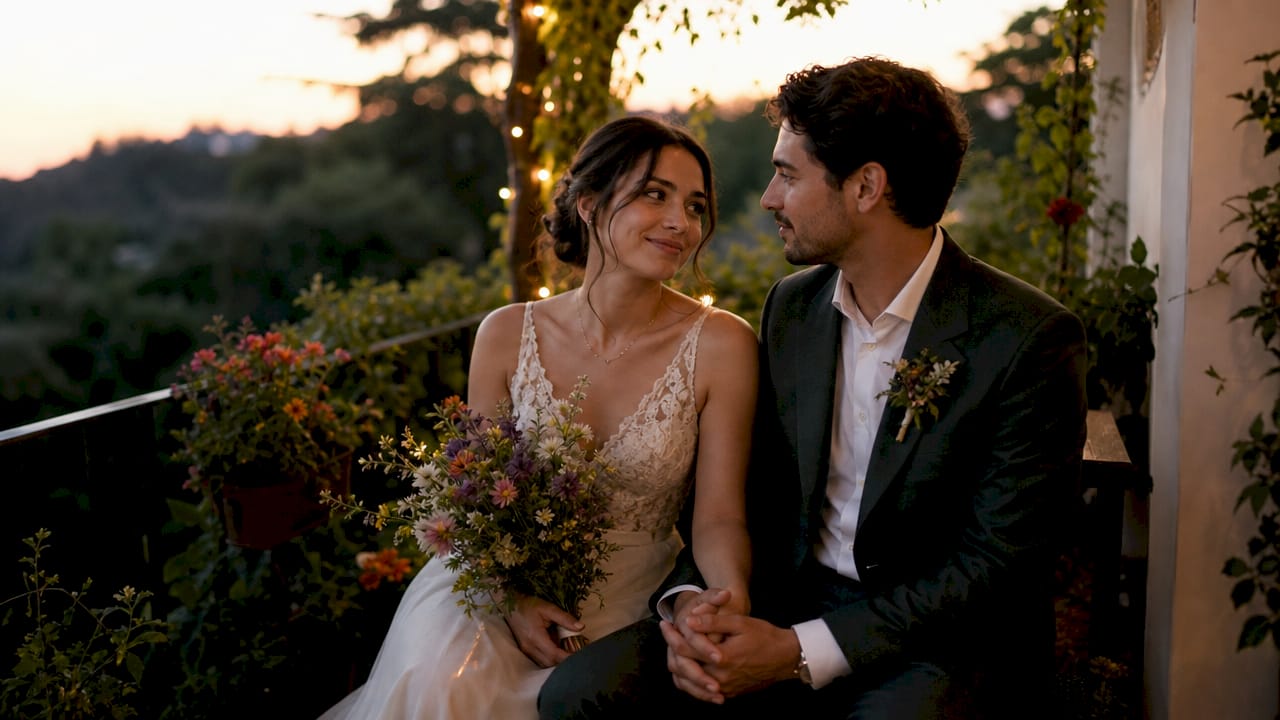
Photography packages are structured into three common tiers to suit different needs and budgets.
| Tier | Duration | What it covers |
|---|---|---|
| Intimate | 2–4 hours | Ceremony, portraits, and key moments |
| Core day | 6–8 hours | Preparation through to reception |
| Full story | 10+ hours | Complete day from getting ready to last dance |
For most intimate weddings, the intimate or core day tier fits best. A 3–5 hour window gives your photographer enough time to settle in, build rapport with your guests, and catch the moments that happen between the scheduled parts of your day.
Clear communication about deliverables matters just as much as duration. Excluded items like raw files, print rights, and turnaround times should be confirmed in writing before you sign anything. Post-wedding confusion almost always traces back to assumptions made during booking.
- Intimate tier (2–4 hours): Best for elopements or ceremonies with no reception
- Core day (6–8 hours): Covers preparation, ceremony, and a sit-down meal
- Full story (10+ hours): Suited to couples who want every moment documented
Pro Tip: Ask your photographer to specify the exact start and finish time in the contract, not just the total hours. This prevents misunderstandings about when coverage begins.
How does intimate wedding photography differ in style?
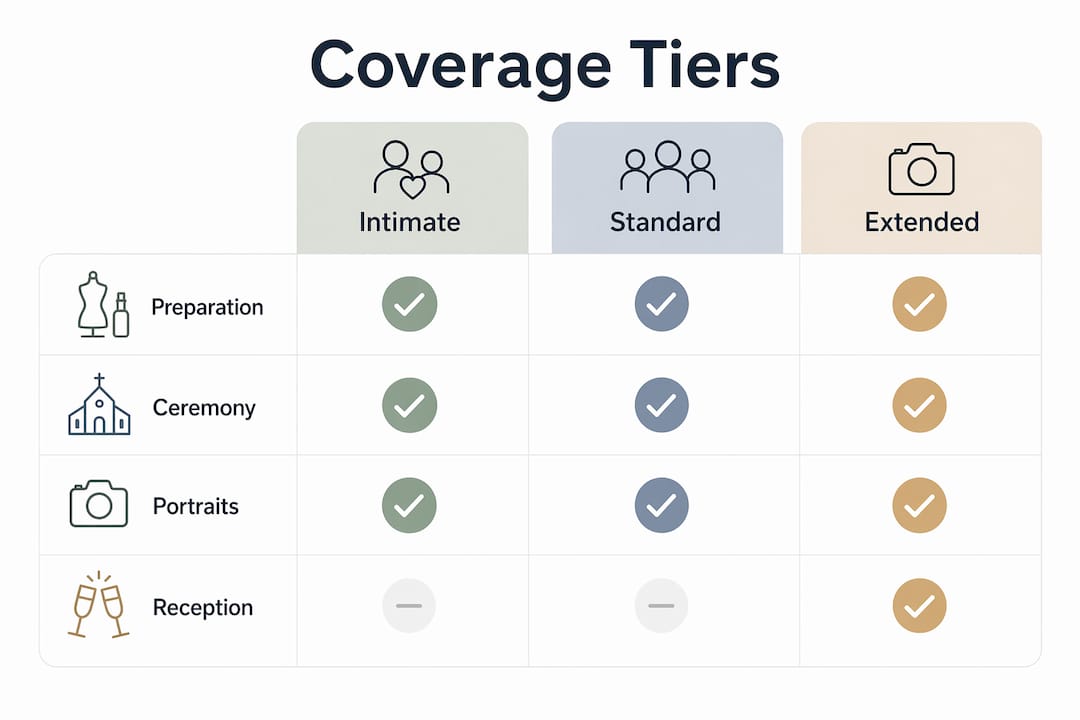
Intimate wedding photography gives photographers closer access and a less intrusive presence than large weddings allow. With fewer guests and no crowd to manage, your photographer can move quietly through the room and capture real reactions rather than orchestrated ones. The result is images that reflect the actual mood of your day.
Candid, documentary-style photography suits intimate weddings particularly well. Rather than directing every shot, the photographer observes and responds. This approach works because smaller gatherings naturally produce more genuine interactions. Guests talk freely, emotions surface without prompting, and the photographer is close enough to catch all of it.
Social warm-up time is a technique experienced photographers use at the start of coverage. Spending the first 20–30 minutes simply being present, chatting with guests, and observing the space reduces the “stranger effect.” Guests stop noticing the camera, and the photos that follow are noticeably more relaxed.
- Fewer guests means fewer distractions for the photographer
- Relaxed schedules allow for longer, unhurried portrait sessions
- Smaller venues often offer better natural light and intimate backdrops
- The photographer can act more like an invisible guest than a production crew
Pro Tip: The best photos from intimate weddings often happen away from the ceremony itself. A quiet moment between you and your partner before the ceremony, or a genuine laugh with your closest friend at the table, tends to produce the most memorable images.
What practical tips help couples get the most from their coverage?
Book your photographer early. Demand for small wedding specialists is high, and the photographers who do this work well tend to fill their calendars quickly. Booking at least six months out gives you access to a wider choice and time to build a genuine relationship before the day.
Build a relaxed schedule. Tight timelines create stress, and stress shows in photos. Leave buffer time between each part of the day so your photographer can follow the natural pace rather than rush from one shot to the next. Your wedding photography checklist should include realistic time blocks, not just a list of must-have shots.
- Book early. Specialist intimate wedding photographers fill quickly. Six months minimum is a sound lead time.
- Choose your venue with light in mind. Natural light is your photographer’s best tool. Venues with large windows, outdoor spaces, or open settings produce warmer, more flattering images.
- Confirm deliverables in writing. Agree on the number of edited images, file format, and delivery timeline before signing.
- Communicate your priorities. Tell your photographer which moments matter most to you, whether that is the first look, the speeches, or the quiet moments with family.
- Relax and be present. The more you engage with your guests and each other, the more your photographer has to work with.
Pro Tip: Read our guide on how to relax on your wedding day for specific techniques that genuinely help couples feel at ease in front of the camera.
Why does wedding insurance matter for intimate wedding coverage?
Wedding insurance typically costs between $75 and $550 and should be secured at least 14 days before the event to qualify for weather-related coverage. That cost is modest compared to what you stand to lose if a vendor cancels or extreme weather forces a postponement.
Intimate weddings carry a concentrated financial risk. With a smaller guest list, each vendor represents a larger share of your total budget. A photographer cancellation or loss of images hits harder when there is no large catering bill to offset the proportion.
| Coverage type | What it protects |
|---|---|
| Vendor no-show | Reimburses deposits if a supplier fails to appear |
| Extreme weather | Covers postponement costs due to severe conditions |
| Sudden illness | Protects against cancellation due to illness of key parties |
| Liability protection | Covers third-party injury or property damage at the venue |
| Loss of images | Some policies cover photographer equipment failure or file loss |
Insurance protects nonrefundable deposits and prepaid expenses across all vendor categories. Photography is often the single largest discretionary spend at an intimate wedding, which makes it the most important line item to protect.
Key takeaways
Intimate wedding coverage works best when couples understand their options, book early, and give their photographer the time and space to capture genuine moments.
| Point | Details |
|---|---|
| Coverage duration | Three to five hours suits most intimate weddings, covering essentials through to candid reception moments. |
| Package tiers | Intimate, core day, and full story tiers offer clear options based on how much of the day you want documented. |
| Photography style | Candid, documentary approaches produce the most authentic images in small wedding settings. |
| Practical preparation | Relaxed schedules, good natural light, and early booking all improve the quality of your final images. |
| Wedding insurance | Policies costing $75–$550 protect photography investments against vendor failure, weather, and illness. |
What I’ve learned photographing intimate weddings
As an experienced wedding photographer, I can tell you that intimate weddings are not a compromise on the “real thing.” They are a conscious, deliberate choice, and that intention shows in every frame. When couples choose a smaller gathering, they are choosing presence over performance. That shift changes everything about how I work.
At a large wedding, I am often managing logistics, coordinating with other vendors, and navigating crowds. At an intimate wedding, I can simply be there. I notice the way a parent looks at their child during the vows. I catch the quiet exchange between partners during a toast. Those moments exist at every wedding, but at an intimate one, I am close enough to actually capture them.
The couples who get the most out of their coverage are the ones who trust the process and stay present. They are not watching for the camera. They are genuinely living their day. That is when the best images happen, and it is the reason intimate wedding photography produces work that feels so different from the standard album.
— Steven
Svenstudios and intimate wedding photography
Svenstudios specialises in authentic, candid wedding photography for couples across Adelaide and Australia. Steven and Luisa work as a team, bringing a relaxed and unobtrusive presence to intimate weddings where genuine moments matter most. Their approach aligns naturally with the documentary style that suits small gatherings, and their packages are structured to match the coverage tiers described throughout this article. Couples can explore personalised coverage options built around their specific day, guest count, and priorities. For a full overview of what is included at each level, the custom package builder walks you through every option clearly.
FAQ
What is intimate wedding coverage?
Intimate wedding coverage is photography designed for weddings with 10–50 guests, focusing on candid, authentic moments within a smaller, more personal setting.
How many hours of coverage do I need for an intimate wedding?
Three hours covers the ceremony and portraits, while five hours captures the full story including preparation and candid reception moments.
What photography style suits intimate weddings best?
Candid documentary photography suits intimate weddings best because smaller guest counts allow photographers to move freely and capture genuine interactions without disruption.
Do I need wedding insurance for a small wedding?
Wedding insurance is particularly important for intimate weddings because each vendor, including your photographer, represents a larger share of a smaller total budget. Policies typically cost $75–$550.
What should I confirm with my photographer before the wedding?
Confirm the exact coverage hours, number of edited images, file delivery format, turnaround time, and any items excluded from the package, such as raw files or print rights.
Recommended
Love this style of photography?
Planning something beautiful?