• Shopping Cart Shopping Cart
    0Shopping Cart
SvenStudios
  • ABOUT US
    • WHO ARE WE?
    • TESTIMONIALS
  • WEDDING PACKAGES
    • ADELAIDE PACKAGES
    • AUSTRALIA-WIDE PACKAGES
    • NZ-WIDE PACKAGES
  • SERVICES
    • WEDDING PHOTOGRAPHY
      • ADELAIDE WEDDINGS
      • DARWIN WEDDINGS
      • CANBERRA WEDDINGS
      • HOBART WEDDINGS
      • PERTH WEDDINGS
      • QUEENSTOWN, NZ WEDDINGS
      • WORLDWIDE
    • WEDDING VIDEOGRAPHY
    • FAMILY PHOTOGRAPHY
    • NEWBORN PHOTOGRAPHY
    • COUPLES & ENGAGEMENTS
    • PROPOSAL PHOTOGRAPHY
    • PHOTOBOOTH HIRE
    • HAPPLEE QR
    • SELFBOOTH
    • SEATSCAN
    • AUDIO GUEST BOOK HIRE
    • LIVE STREAM
  • PORTFOLIO
    • WEDDING PHOTOGRAPHY
      • SORT BY WEDDING VENUE
    • COUPLES PHOTOGRAPHY
    • FAMILY PHOTOGRAPHY
    • NEWBORN PHOTOGRAPHY
  • BLOG
  • SHOP
    • BOUQUET CHARMS
    • HAND MADE ITEMS
    • GIFT CARDS
    • DIGITISATION SERVICES
      • SUPER8 TO DIGITAL
      • VHS TO DIGITAL
    • PAY AN INVOICE
  • CONTACT
  • Menu Menu
Interesting

Proposal photography checklist: capture every moment

A proposal photography checklist is the planning framework that ensures every critical moment of your proposal is captured on camera, from the nervous walk to the spot to the tearful yes. Most couples focus entirely on the ring and the words, then realise too late that the photographer was in the wrong position or the light had already gone. Getting this right means planning 4–6 months ahead, briefing your photographer thoroughly, and working through each step with the same care you give the proposal itself. This guide walks you through exactly that, step by step.

1. What belongs on your proposal photography checklist

The checklist covers six core areas: booking, location, timing, signals, gear, and post-proposal coverage. Miss any one of them and you risk a blurry shot, a missed reaction, or a photographer who arrives after the moment has passed. Think of it less like a to-do list and more like a shoot plan that you and your photographer build together. Every item has a reason, and every reason connects back to the same goal: genuine, unposed images that tell the full story.

2. How and when to book your proposal photographer

Booking is the first and most time-sensitive step. Experienced proposal photographers fill their calendars quickly, especially across peak months like october, november, and february. Booking 4–6 months out gives you the best choice of photographer and the most flexibility on date and location.

When you are choosing a photographer, look specifically for someone with experience in surprise proposals. This is a different skill set from portrait or wedding photography. A surprise proposal requires the photographer to stay hidden, read body language, and shoot without direction. Ask to see examples of candid proposal work, not just posed couples sessions.

Once you have booked, brief your photographer on:

  • The exact location and your planned route to get there
  • The time of day and expected light conditions
  • Any signals you will use to cue the shoot
  • Whether family or friends will be present
  • Your partner’s name and a recent photo so the photographer can identify them

Pro Tip: Choose a photographer who knows your location well. Local knowledge about foot traffic, parking, and light angles at different times of day is worth more than a lower price.

3. Choosing and preparing your proposal location

Clean backgrounds matter more than prestigious locations. A quiet garden path with soft light will produce better images than a famous landmark surrounded by tourists and rubbish bins. The background is always in the frame, so treat it as part of the composition.
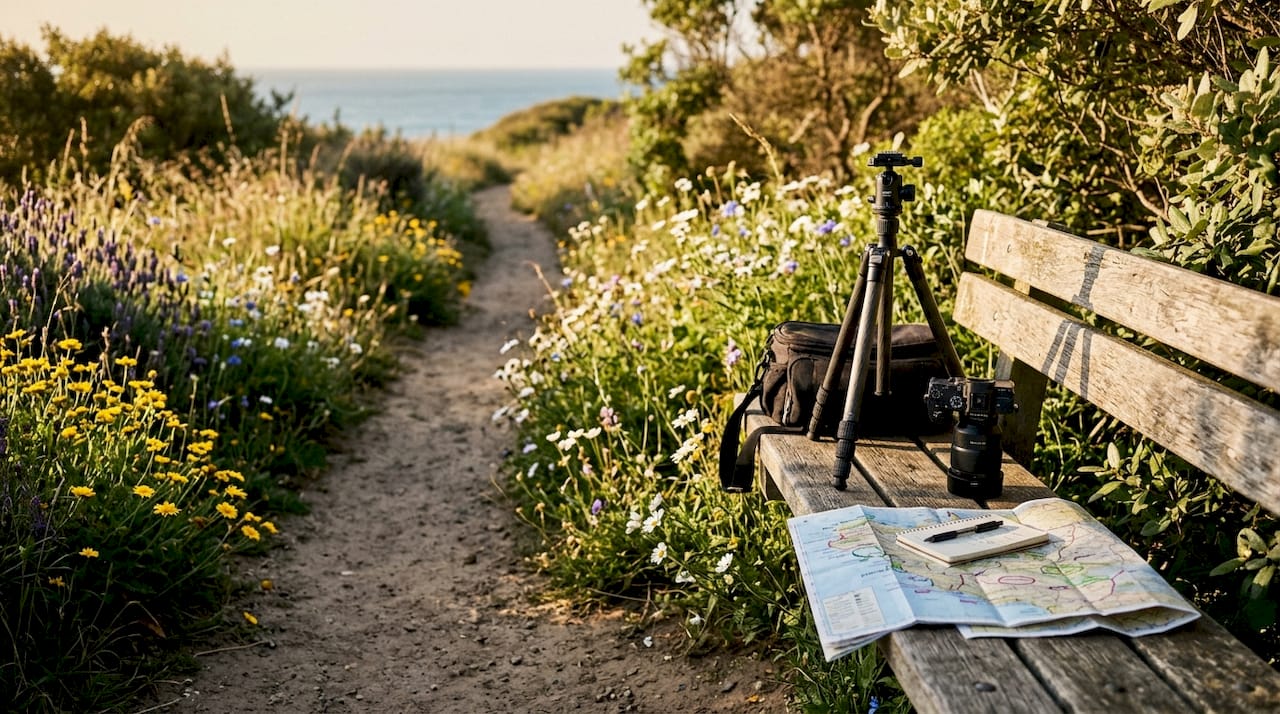
Photography gear and map on garden bench, outdoor scouting

Scout the location at the exact time of day you plan to propose. Lighting and foot traffic change dramatically between morning and afternoon. What looks peaceful at 9am can be crowded and harsh by midday.

Factor What to check
Light quality Soft and directional, not flat or harsh overhead
Background clutter No bins, signage, or heavy foot traffic
Crowd levels Quiet enough for privacy and clean shots
Backup option A nearby alternative if conditions change
Photographer position A natural hiding spot with clear sightlines

Golden hour lighting is the preferred choice for most proposal shoots, but quieter mid-morning sessions can work well when the location is typically crowded at dusk. Choose timing based on what the location actually looks like, not what sounds romantic in theory.

Pro Tip: Visit the location twice before the proposal day. Go once to scout and once at the exact proposal time to confirm the light and crowd levels match your expectations.

4. Planning discreet signals and timing

Coordinating with your photographer without alerting your partner is one of the trickiest parts of the whole process. Natural signals work best. Touching your watch, adjusting your jacket, or using a pre-agreed phrase in conversation are all low-key cues that your photographer can act on without drawing attention.

Proposal photographers typically arrive 60–90 minutes early to scout the exact spot, test their position, and confirm their hiding point. This early arrival is not optional. It is what separates a photographer who is ready when the moment happens from one who is still finding their footing.

“The difference between a great proposal photo and a missed one is almost always timing. The photographer needs to be in position before you arrive, not scrambling to catch up.”

A final check-in text 30–45 minutes before the proposal confirms that conditions are clear, the light is right, and the photographer is in position. This is your last chance to flag any changes, such as a crowd that has not cleared or a shift in your arrival time.

Pro Tip: Walk the route to the proposal spot at least once beforehand. Know exactly how long it takes so you are not rushing or pausing awkwardly while your photographer waits.

5. Proposal shoot essentials for the day

The day itself needs its own checklist. Even the best planning can unravel if small details are overlooked on the morning of the proposal.

  • Confirm the ring is secure and accessible, not buried in a bag
  • Send your photographer a final confirmation text with your arrival time
  • Agree on the exact signal you will use to cue the shoot
  • Have a weather backup plan and communicate it to your photographer
  • Confirm your photographer’s phone is on silent but vibrate is on
  • Know your photographer’s position so you naturally face toward them during the proposal

Experienced photographers use low-profile equipment such as hip holsters to keep their camera hidden until the moment arrives. This keeps the scene natural and avoids your partner noticing a camera before the question is asked. Ask your photographer how they plan to stay discreet and what gear they will use.

Pro Tip: Ask your photographer to shoot in continuous burst mode during the proposal itself. Reactions happen in fractions of a second, and burst mode captures the full sequence rather than a single frame.

6. Capturing the moments after the proposal

Stopping the shoot immediately after the ring is placed is one of the most common mistakes couples make. The 30 minutes after the proposal are often the most emotionally rich part of the entire session. Tears, laughter, phone calls to family, and the first quiet moments as an engaged couple all happen in this window.

Allow at least 20–30 minutes of post-proposal photography. This time covers:

  • Immediate reactions and embraces
  • Detail shots of the ring on the hand
  • Candid moments as the reality sets in
  • Calls or messages to family if that is part of your plan
  • A short relaxed couples session while emotions are still high

These images complete the storytelling arc. The proposal photo shows the question. The post-proposal photos show the answer and everything that follows. Both halves are needed for the full picture. If family or friends are part of the surprise, coordinate with your photographer beforehand so they know when and how to bring them in without disrupting the natural flow.

Key takeaways

A thorough proposal photography checklist, built around early booking, careful location scouting, and clear photographer communication, is the single most reliable way to ensure every genuine moment is captured.

Point Details
Book 4–6 months ahead Early booking secures experienced photographers and gives time to plan every detail.
Scout at proposal time Visit the location at the exact time of day to confirm light and crowd conditions.
Use natural signals Pre-agreed subtle cues keep the surprise intact while cueing your photographer.
Allow post-proposal time Plan at least 20–30 minutes after the proposal for candid emotional coverage.
Brief your photographer fully Share the route, signal, location, and your partner’s photo before the day.

What I have learned from photographing proposals

As an experienced proposal photographer, the thing I see go wrong most often is not the location or the light. It is the couple’s relationship with their photographer. When there is not enough trust or communication built beforehand, the whole plan gets shaky on the day.

The couples who get the best results are the ones who treat the photographer briefing as seriously as the proposal itself. They share details, ask questions, and stay flexible. They also understand that natural, unobtrusive photography produces far more meaningful images than anything staged or directed.

My honest advice is to resist the urge to over-choreograph. The more you try to control every frame, the less genuine the photos feel. Give your photographer the information they need, agree on the signals, and then let the moment happen. The best proposal images I have ever taken were ones where the couple forgot I was there entirely.

— Steven

Proposal photography with Svenstudios

Planning a proposal in Adelaide or beyond? Svenstudios specialises in authentic, candid photography that captures real emotion without interrupting the moment. Steven and Luisa bring years of experience photographing surprise proposals, with a relaxed approach that keeps couples at ease and the camera invisible until it matters most. Every package is tailored to your location, timing, and vision, so nothing is left to chance. Browse the couples photography portfolio to see how genuine proposal moments look when they are captured well, then get in touch to talk through your plans.

FAQ

How far ahead should I book a proposal photographer?

Book 4–6 months before your proposal date to secure the best photographers and confirm all logistics. Photographers can sometimes accommodate bookings closer to the date, but options and availability narrow significantly.

When should the photographer arrive on the proposal day?

Photographers should arrive 60–90 minutes early to scout the location, find their position, and confirm conditions before you and your partner arrive.

What is the best lighting for proposal photos?

Golden hour, the hour after sunrise or before sunset, produces the softest and most flattering light. Mid-morning can also work well at busy locations where golden hour crowds are a problem.

How long should post-proposal photography last?

Allow at least 20–30 minutes after the proposal for candid coverage. This window captures the most emotionally genuine moments, including reactions, ring detail shots, and the first quiet time together as an engaged couple.

What signal should I use to cue my photographer?

Use a subtle, natural cue such as touching your watch, adjusting your jacket, or saying a pre-agreed phrase. Avoid anything obvious that your partner might notice and connect to a photographer nearby.
Recommended

  • Your Proposal Photoshoot Guide: Plan It Perfectly
  • Your Ultimate Wedding Photography Checklist For Authentic Moments
  • The True Role Of A Photographer In Adelaide Proposals
  • Why Capture Engagement Moments: A Couple’s Guide
June 30, 2026/by Steven Duncan
Wedding preview, Wedding

St George & St Shenouda Coptic Church Wedding – Carmina & Bill

Preparation Bill and his groomsmen were getting ready inside a beautifully modern home that offered clean lines, bright natural light and contemporary architecture. It’s exactly the kind of location that lends itself perfectly to modern wedding portraits. Between tying ties, straightening jackets and sharing plenty of laughs, we were able to create a collection of […]

Read more
June 29, 2026/by Steven Duncan
Interesting

Choosing proposal photography style: your complete guide

Choosing a proposal photography style is less about chasing a particular look and more about deciding how you want to remember the moment. Do you love spontaneous, documentary-style images, or do you prefer something a little more polished? With a surprise proposal, the real reactions come first; there is always room for relaxed portraits afterwards. Understanding the difference between surprise proposal photography in Adelaide and a planned engagement session will help you choose a photographer whose approach feels right for you.

What are the main types of proposal photography styles?

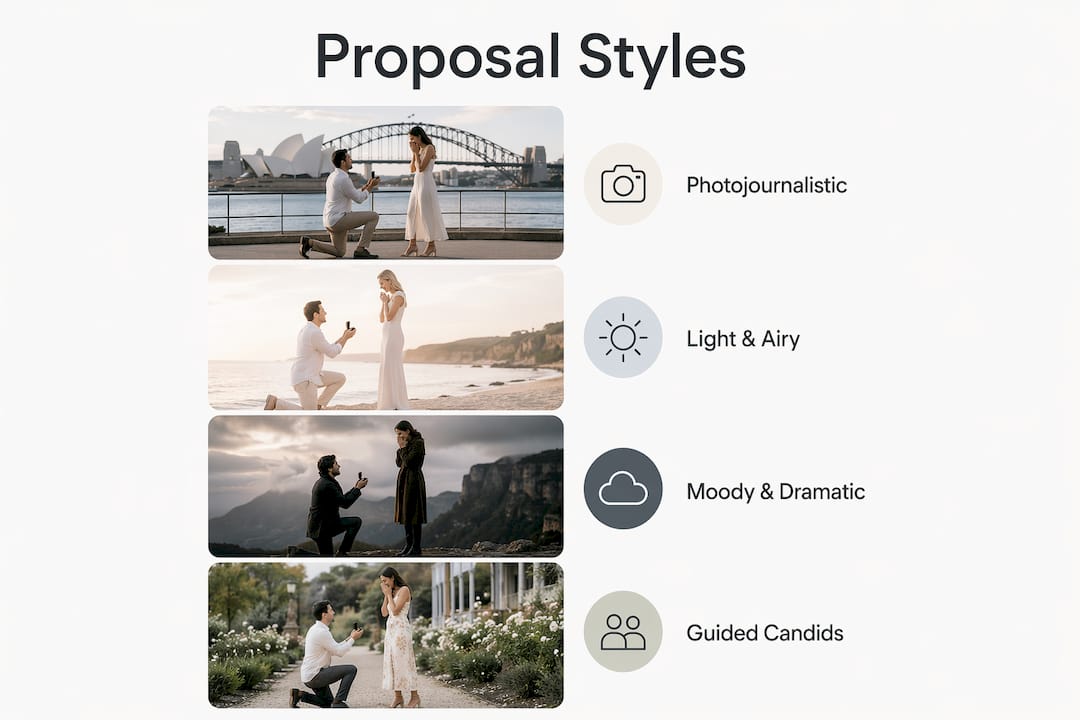
It helps to separate how the moment is photographed from how the final images are edited. Documentary and guided candid photography describe the photographer’s approach, while light and airy or moody and dramatic describe the visual finish. These four approaches can overlap, and understanding them makes it easier to explain what you love.

Photojournalistic (documentary) is particularly well suited to surprise proposals. The photographer works at a distance, capturing candid moments without directing you at all. The result is raw, real, and often the most emotionally powerful. Your tears, laughter, and shock are preserved exactly as they happened.

Light and airy uses natural light, bright tones, and soft colour to create a romantic, dreamy feel. This editing style suits outdoor settings with open sky or golden hour light. It works beautifully in gardens, beaches, or sun-drenched city streets.

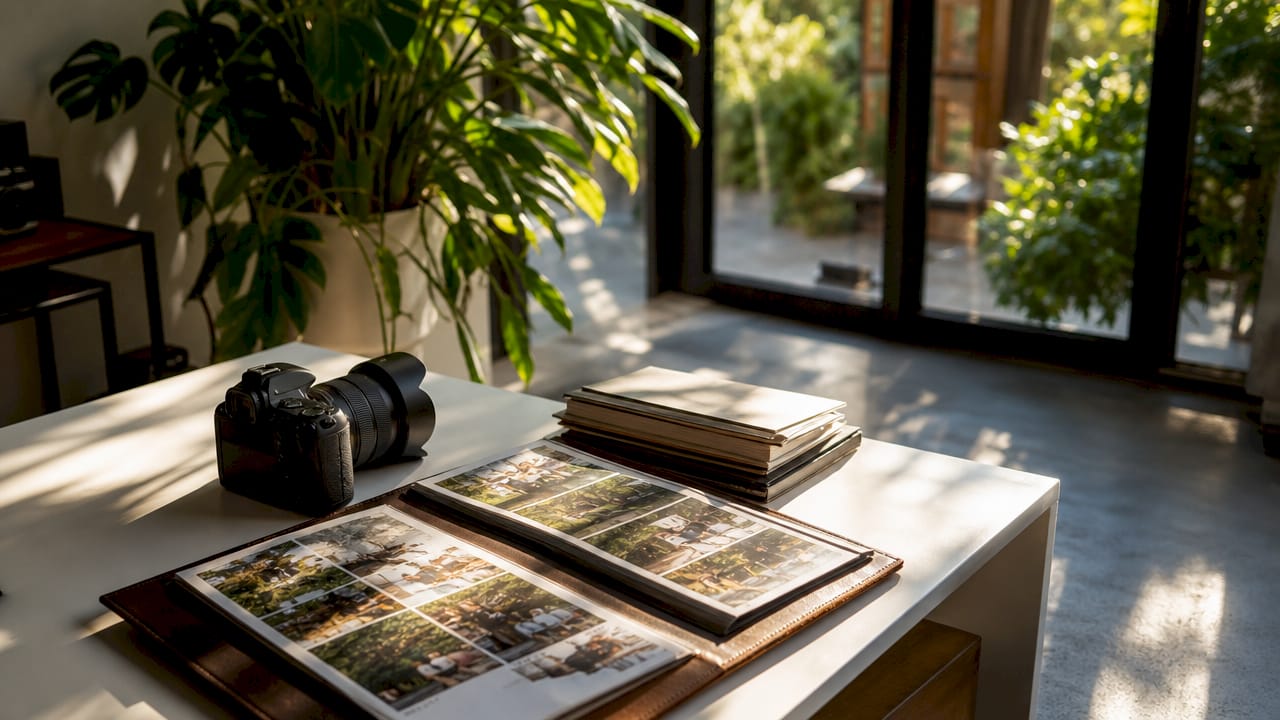
Camera in natural morning light illustrating a soft proposal photography style

Moody and dramatic takes the opposite approach. Rich shadows, deep tones, and cinematic contrast create an intense, emotional atmosphere. This style suits indoor venues, overcast days, or locations with strong architectural character.

Guided candids sit between photojournalism and portraiture. Your photographer subtly positions you or suggests a direction, then steps back and lets the moment unfold naturally. The photos look candid but are gently shaped for better composition.

Style Best setting Emotional tone
Photojournalistic Any location Raw, authentic, spontaneous
Light and airy Outdoor, natural light Romantic, soft, dreamy
Moody and dramatic Indoor, overcast, architectural Cinematic, intense, emotional
Guided candids Any location Natural with subtle polish

How do you assess your preferences for the right style?

Choosing a photography style is about finding what feels like you and personality, not selecting whatever is trending on social media. Start by asking yourselves a few honest questions.

  1. How do you feel about being photographed? If you freeze up in front of a camera, photojournalistic style removes that pressure entirely. If you enjoy being directed, guided candids may suit you better.
  2. What is your relationship’s natural vibe? Playful, spontaneous couples might love the energy of documentary shots. If you adore soft, romantic images, you may prefer a lighter editing approach. Neither choice rules out the other.
  3. Where is the proposal happening? A clifftop at golden hour calls for a completely different approach than a candlelit restaurant. Venue and lighting compatibility with your chosen style directly affects photo quality and emotional impact.
  4. What do you want to feel when you look at these photos in 20 years? Think about the emotion first, then the editing style. A great gallery can preserve unfiltered reactions and still include beautifully composed portraits.

Scroll through your own Instagram saves and note which wedding or proposal photos stop you mid-scroll. The patterns in what you save reveal your genuine aesthetic preferences far more honestly than any quiz.

Pro Tip: Bring three to five saved photos to your photographer consultation. Showing is faster and more accurate than describing.

Infographic outlining main proposal photography styles

Practical steps to choose and prepare for your proposal photography style

Reviewing a photographer’s portfolio is the most reliable way to assess whether their style matches what you want. Look at full galleries, not just highlight images. A single stunning shot tells you little. Seeing a complete gallery gives you a much better sense of editing consistency and how the photographer handles changing light.

Ask these questions when you meet a photographer:

  • Do they specialise in one style or offer multiple approaches?
  • Can they share a full gallery from a proposal session similar to yours?
  • How do they handle surprise proposals without alerting the partner?
  • What is their backup plan if weather or lighting changes?

Timing matters for both visual quality and maintaining the surprise. Golden hour is popular for its warm, flattering light. A quieter mid-morning proposal can feel less suspicious and offers a more relaxed setting. Discuss timing openly with your photographer so they can position themselves without drawing attention.

Pro Tip: Ask your photographer whether they already know the location or can scout it beforehand. Familiarity with the light, angles and hiding spots makes a real difference on the day.

Location planning also affects which editing styles are achievable. A dark, moody restaurant limits a light and airy approach regardless of how skilled the photographer is. Match your style ambition to what the venue can actually deliver.

Common challenges when choosing and executing your style

The biggest trap is treating every photography style as an all-or-nothing choice. You can have genuine documentary coverage during the surprise and enjoy a few gently guided portraits afterwards. What matters is that your photographer uses a consistent editing approach so the whole gallery feels like one story.

A few other pitfalls worth knowing:

  • Ignoring the location. A sunlit beach and a candlelit restaurant offer very different lighting. Look for a photographer who can adapt their approach without forcing every scene into the same look.
  • Over-directing a surprise proposal. If your partner does not know a photographer is present, any attempt to position them too precisely will feel unnatural. Experienced photographers prioritise discretion and adapt to the moment rather than controlling it.
  • Choosing a style based on trends alone. Trends shift, but your connection is the point of the photographs. Choose what genuinely reflects you.

A skilled photographer can guide couples post-proposal with small, natural adjustments to posing and framing. This preserves authenticity while improving the composition of your portraits.

Key takeaways

The most effective approach to choosing your proposal photography style is to match it to your genuine personality, your venue, and the emotions you want to preserve for life.

Point Details
Style shapes the whole story Think about both the shooting approach and editing finish when comparing photographers.
Match style to venue and light Light and airy suits outdoor natural light; moody and dramatic suits indoor or overcast settings.
Review full galleries, not highlights A complete gallery reveals editing consistency and how a photographer handles real conditions.
Keep the overall gallery cohesive Documentary coverage and relaxed portraits can work beautifully together with consistent editing.
Align with your personality Choose a style that reflects how you naturally are together, not what is currently popular online.

What I have learned about style and authentic storytelling

As an experienced wedding and proposal photographer, I have watched couples agonise over style labels when the real question is simpler: what do you actually feel when you look at a photo?

The couples whose galleries I am most proud of were not the ones who arrived with a detailed mood board. They were the ones who said, “We just want it to feel like us.” That instruction is more useful than any reference image. It tells me to stay back, stay quiet, and trust the moment.

I have also seen what happens when style choice is driven by what looks good on social media rather than what suits the couple. The photos are technically beautiful. But they do not feel true. And five years later, the couple cannot quite explain why the images feel like someone else’s story.

The role of a photographer in a proposal is not to impose a visual style onto your moment. It is to read the room, adapt to what is actually happening, and make choices in real time that honour what is real. Style is the vehicle. Your story is the destination.

— Steven

SvenStudios proposal photography, built around your story

At SvenStudios, I love keeping the actual proposal as natural as possible, whether it happens under the trees at the Adelaide Botanic Gardens, beside the River Torrens or somewhere private in the Adelaide Hills. I can help you think through the timing, where I can discreetly position myself and how to make the most of the location without turning your surprise into a staged production. Once the big question has been asked, we can take a few relaxed portraits while the excitement is still fresh.

If you are making plans of your own, have a look at my Adelaide surprise proposal photography page to see how I approach these moments and get in touch to talk through your idea. You can also explore the couples photography portfolio for more inspiration.

FAQ

What is the difference between proposal and engagement photography?

Proposal photography captures the genuine surprise moment and immediate reactions in a documentary style. Engagement sessions are planned portrait sessions with more time for posed, artistic images.

Which proposal photography style works best for a surprise proposal?

Photojournalistic style is the strongest choice for surprise proposals. It requires no direction from the couple and relies on photographer discretion and positioning to capture the real moment.

How do I choose a proposal photo editing style?

Review full galleries from photographers whose work appeals to you and note the consistent tones, contrast levels, and colour treatment. Matching editing style to your venue and personality produces the most cohesive result.

Does the time of day affect which style I can choose?

Yes, light changes the feel of the images. Golden hour can be soft and warm, while overcast skies and evening lighting bring a different mood. Documentary photography can work at any time of day; discuss your location and timing with your photographer.

How many photos should I expect from a proposal session?

Gallery size varies by photographer and session length, so ask your photographer directly during consultation. A full gallery rather than a highlight set gives you the clearest picture of their editing consistency and storytelling approach.

Recommended

  • Your Proposal Photoshoot Guide: Plan It Perfectly
  • The True Role of a Photographer in Adelaide Proposals
  • Find Your Perfect Wedding Photography Style Today
  • Top 4 Wedding Proposal Photo Solutions Providers 2026
June 29, 2026/by Steven Duncan
ideas, Wedding

Wedding Discoveries: Turn Your Wedding Into an Interactive Treasure Hunt

Every couple wants their wedding to be memorable—not just for themselves, but for every guest who comes to celebrate. Yet every wedding has those natural quieter moments. Guests arrive early, wait for the ceremony to begin, mingle during cocktail hour while you’re having photos taken, or chat between courses at the reception. These moments aren’t a bad thing, but they’re an opportunity.

What if your guests had something genuinely fun to discover throughout the day?

Not another wedding app.

Not another scavenger hunt with printed clues.

Instead, imagine turning your wedding QR code into an interactive treasure hunt where every photo uploaded, trivia question answered or guestbook message written unlocks something new.

That’s exactly what Happlee QR was designed to do.

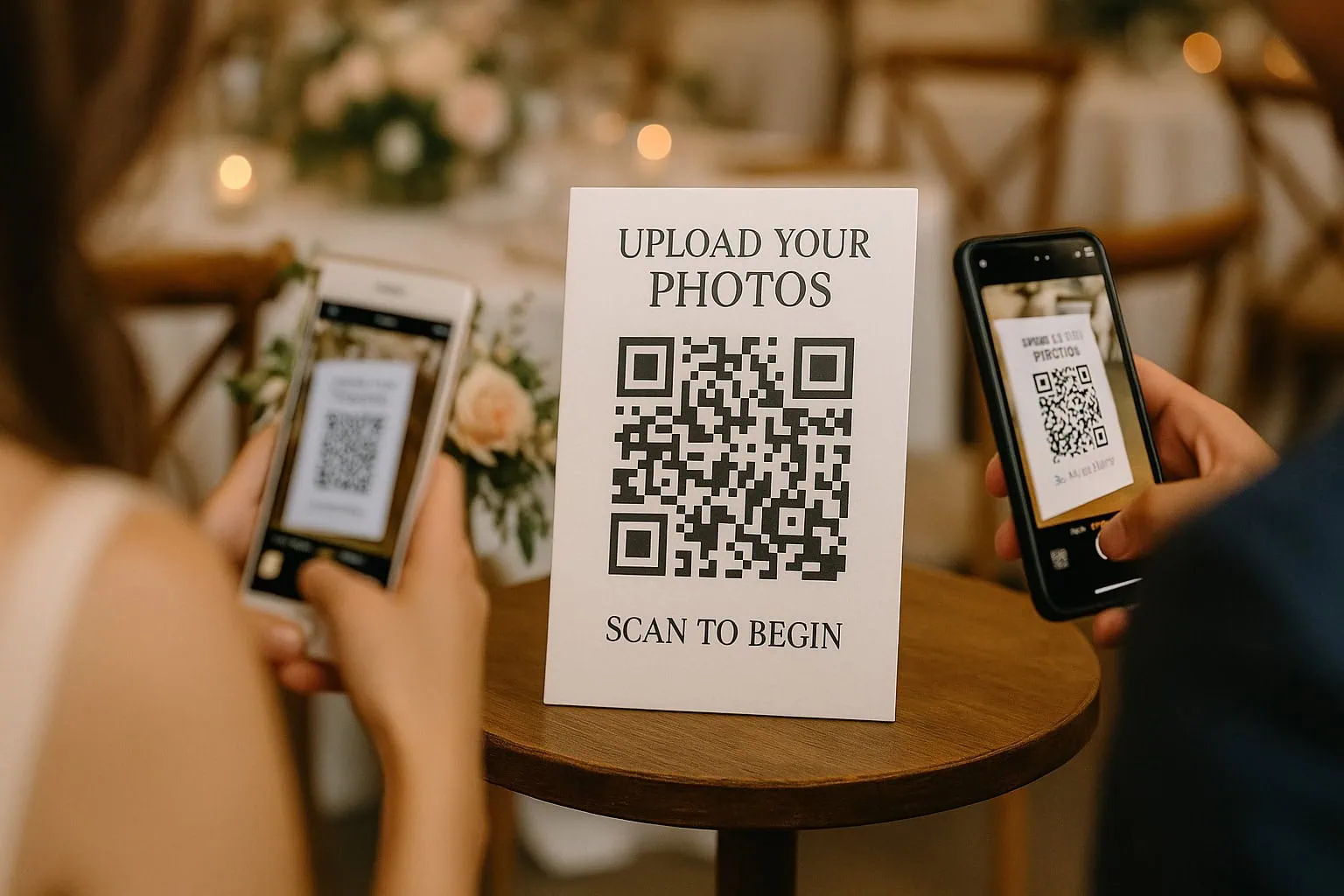
Event participants scanning QR code to upload photos at a social gathering.
Guests engage by scanning a QR code to upload photos at a warm, elegant event.

What Are Wedding Discoveries?

Wedding Discoveries are digital rewards that guests gradually unlock throughout your wedding day.

Think of them as hidden collectibles that encourage guests to interact with your celebration.

Rather than simply scanning a QR code once to upload a photo, guests continue returning throughout the wedding to discover new surprises.

Each Discovery might contain:

  • A hidden photo.
  • A surprise video.
  • A funny story about the couple.
  • A wedding challenge.
  • A reward or prize.
  • An exclusive message from the bride and groom.
  • A secret memory from your relationship.

Unlike traditional treasure hunts where every guest follows exactly the same clues, Wedding Discoveries feel personal. Guests unlock them naturally simply by taking part in your wedding.

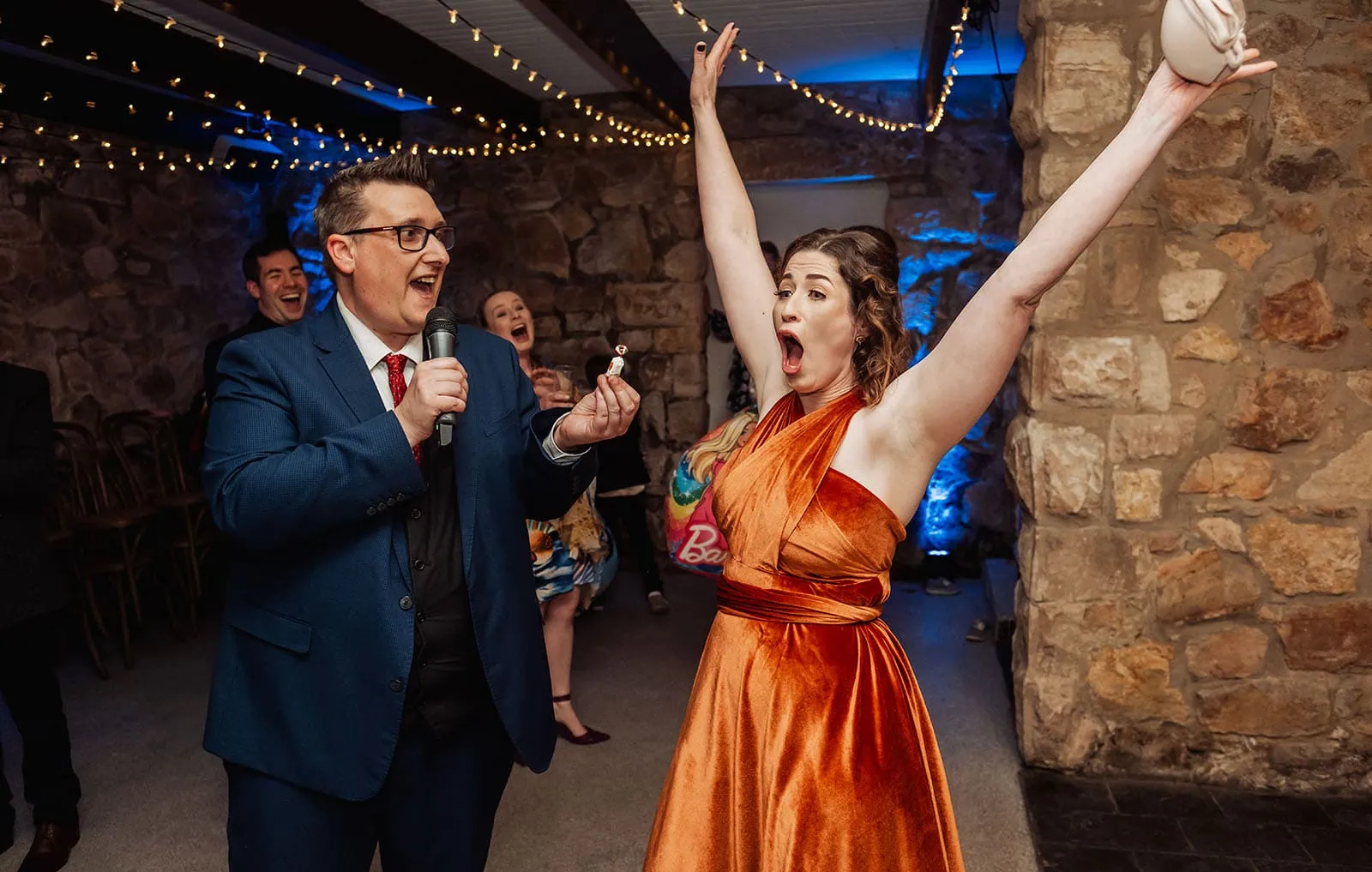
Wedding celebration with joyful couple, rustic venue, and string lights.
Triumphant moment of joy at a rustic wedding celebration with excited guests and festive ambiance.

Why Wedding Discoveries Work So Well

As wedding photographers, we’ve photographed hundreds of weddings across South Australia.

We’ve noticed something interesting.

The weddings guests talk about for years aren’t necessarily the most expensive ones.

They’re the ones where everyone felt involved.

Wedding Discoveries encourage guests to interact rather than simply observe.

Instead of spending quiet moments scrolling social media, they’re uploading photos, answering trivia, writing guestbook messages and unlocking hidden surprises.

The result?

  • More laughter.
  • More conversations.
  • More guest participation.
  • More photos.
  • More memories.

How Guests Unlock Discoveries

One of the best things about Happlee QR is that Discoveries don’t need to rely on complicated clues.

Instead, couples can choose how guests unlock each Discovery.

For example, a Discovery might unlock after a guest:

  • Uploads their first photo.
  • Uploads a video.
  • Writes in the digital guestbook.
  • Answers a couple trivia question correctly.
  • Votes in a live poll.
  • Reaches a leaderboard milestone.
  • Contributes to your wishing well.
  • Completes another Discovery.

Because guests naturally perform these actions throughout the wedding, Discoveries become part of the experience rather than a separate activity.

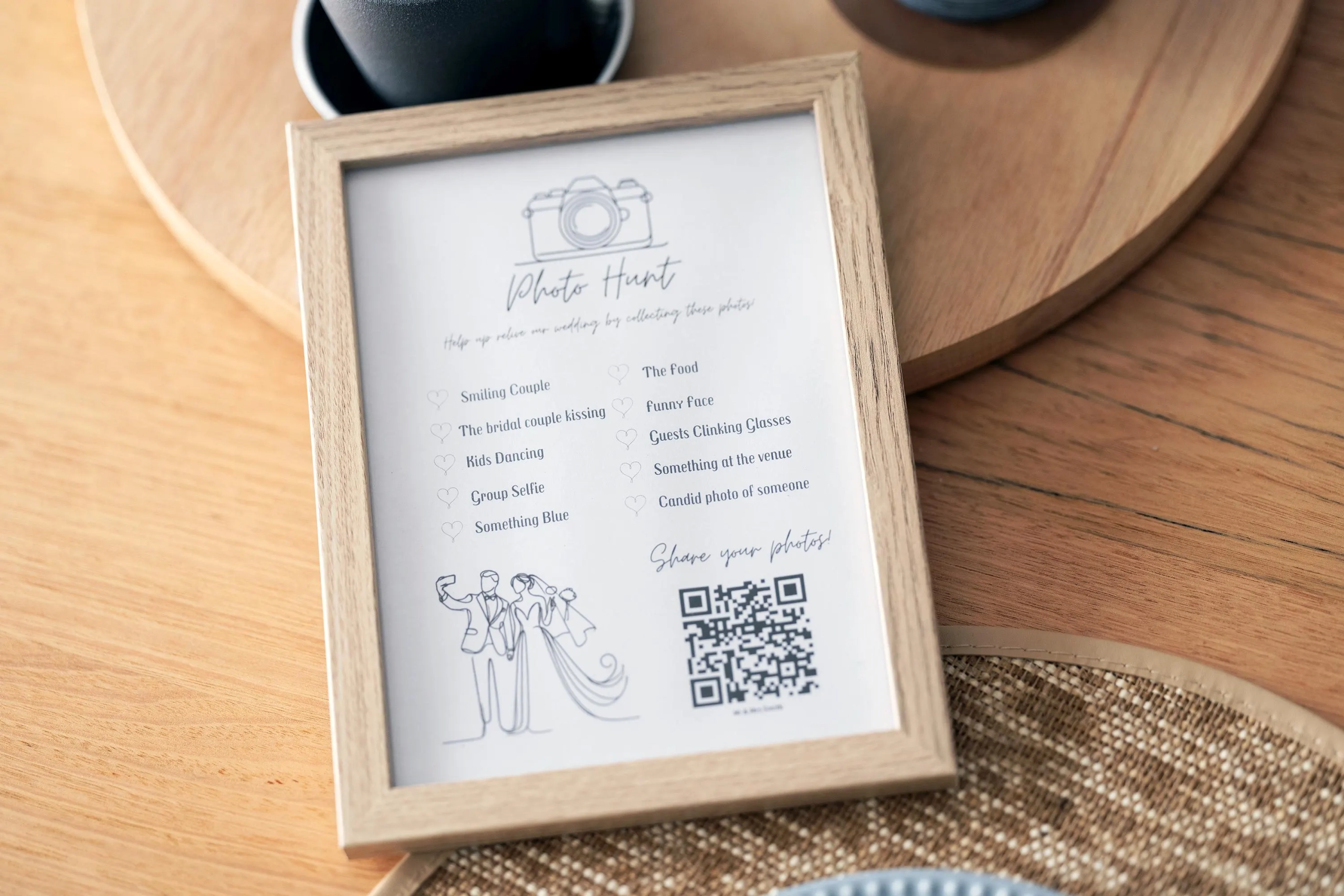
Wedding photo hunt sign with photo list and QR code for sharing memories.
Wedding photo hunt invitation encourages guests to capture and share memorable moments using a QR code, with a list of suggested shots to photograph.

Ideas for Wedding Discoveries

The possibilities are almost endless.

Here are some of our favourite ideas.

Hidden Childhood Photos

Unlock adorable childhood photos of the bride and groom.

Add funny captions explaining the story behind each image.

Guests absolutely love comparing childhood faces to the couple standing in front of them.

Your Love Story

Reveal different milestones from your relationship.

For example:

  • Your first date.
  • Your first holiday together.
  • The proposal.
  • Your engagement shoot.
  • Wedding planning bloopers.

By the end of the evening, guests have unlocked the complete story of your relationship.

Funny Videos

Hide short video clips throughout the wedding.

Ideas include:

  • The proposal.
  • Outtakes from your engagement session.
  • Funny rehearsal moments.
  • A thank-you message from the couple.
  • Parents sharing marriage advice.

Video Discoveries feel especially rewarding because guests never know what’s waiting behind the next unlock.

Wedding Challenges

Instead of simply revealing media, Discoveries can encourage guests to create more memories.

Examples include:

  • Take a selfie with someone you’ve never met.
  • Photograph the funniest dance move.
  • Find three generations of one family.
  • Capture someone laughing.
  • Take a photo with the bride’s grandparents.

These challenges naturally encourage even more uploads into your wedding photo gallery.

Hidden Prizes

One of the most exciting Discovery ideas is rewarding guests.

Hidden prizes could include:

  • A free drink voucher.
  • A bottle of wine.
  • A scratchie.
  • A box of chocolates.
  • A reserved dessert.
  • A bouquet from the centrepieces.

Simply hide the prize details inside the Discovery and ask the winner to show it to your MC.

Kids Adventure Mode

Children absolutely love collecting things.

Create a Discovery series featuring:

  • Dinosaurs.
  • Animals.
  • Fairies.
  • Pirates.
  • Superheroes.

Kids can spend the reception trying to unlock the entire collection while parents enjoy a few quiet moments.

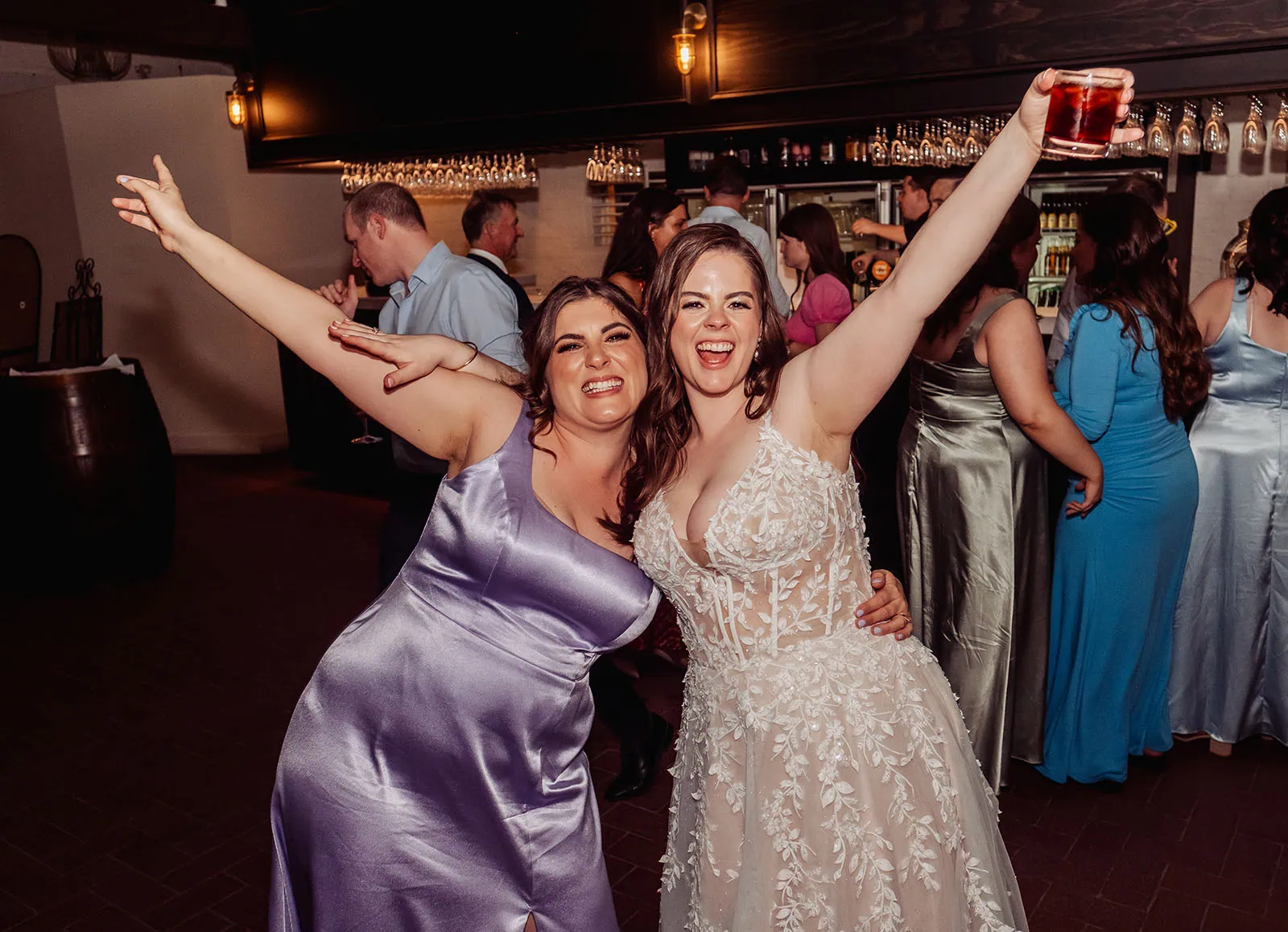
Celebratory wedding scene with joyous women, vibrant dresses, and festive atmosphere at reception.
Joyful wedding celebration with smiling women in elegant dresses, raising their arms in delight amid a vibrant, festive atmosphere.

Rare, Epic and Legendary Discoveries

One feature that makes Happlee QR especially addictive is the rarity system.

Not every Discovery has to feel the same.

Some might be:

  • Common — easy to unlock.
  • Rare — requires more participation.
  • Epic — only unlocked by your most engaged guests.
  • Legendary — your most valuable hidden reward.

Guests quickly become curious.

“I’ve found eight.”

“I’ve only got two left.”

“How did you unlock the Legendary one?”

That curiosity keeps people coming back throughout the wedding.

The Discovery Wall

Every unlocked Discovery becomes part of a guest’s personal collection.

Guests can see:

  • Which Discoveries they’ve unlocked.
  • Which ones remain hidden.
  • Blurred previews of what’s still to come.
  • The rarity of each Discovery.
  • How many Discoveries they’ve collected.

That simple collection mechanic creates a surprising amount of excitement.

It feels a little like collecting trading cards—you always want to discover just one more.

Discoveries Work Beautifully with Other Happlee Features

Perhaps the biggest strength of Wedding Discoveries is how naturally they connect with everything else inside Happlee QR.

Guests might:

  • Upload a photo.
  • Unlock a Discovery.
  • Complete a challenge.
  • Earn leaderboard points.
  • Unlock another Discovery.
  • Vote in a live poll.
  • Play couple trivia.
  • Write in the digital guestbook.

Rather than feeling like separate activities, everything works together to create one engaging wedding experience.

Why This Is Different to a Traditional Wedding Scavenger Hunt

Traditional scavenger hunts are fun, but they’re usually over within 20 minutes.

Wedding Discoveries are different.

They continue evolving throughout the entire celebration.

New Discoveries unlock.

Leaderboard positions change.

More photos appear.

Trivia continues.

Polls update live.

Guests keep returning to the same QR code because something new might be waiting.

That ongoing sense of curiosity is what makes Discoveries feel so unique.

Bride enjoying wedding celebration with joyous guests and lively outdoor atmosphere.
Bride shares laughter and joy with guests, capturing the essence of a warm and lively wedding celebration.

One QR Code. Endless Possibilities.

Most wedding QR codes have one purpose.

Collect photos.

Find a seat.

View the menu.

Happlee QR takes a completely different approach.

It transforms a single QR code into the centre of your wedding experience.

Guests can:

  • Upload photos and videos.
  • View your digital seating plan.
  • Leave messages in your guestbook.
  • Play couple trivia.
  • Vote in live polls.
  • Compete on leaderboards.
  • Unlock hidden Discoveries.
  • Collect memories throughout the day.

Everything lives in one elegant, easy-to-use wedding hub.

Final Thoughts

The best weddings don’t just happen around your guests.

They happen with them.

Wedding Discoveries turn every guest into an active participant, encouraging them to explore, interact, laugh and create memories together.

Whether you’re revealing childhood photos, hiding surprise prizes, sharing your love story or rewarding guests for taking part, Discoveries add a layer of fun that continues from the ceremony right through to the last song.

If you’re looking for a wedding experience that’s genuinely different, Happlee QR makes it possible.

Because your wedding QR code shouldn’t stop working after someone uploads a photo.

It should keep surprising your guests all day long.

June 25, 2026/by Steven Duncan
Interesting

Reportage vs traditional wedding photography explained

Reportage wedding photography is defined as a candid, unposed style where the photographer documents your day as it naturally unfolds, without directing or staging moments. Traditional wedding photography, also called portraiture or posed photography, relies on planned, directed images including formal portraits and group shots. The core difference between reportage and traditional wedding photography comes down to one thing: how much the photographer intervenes. Understanding this distinction helps you choose a style that fits your personality, your family’s expectations, and the kind of wedding album you actually want to look back on.

What are the key technique and workflow differences?

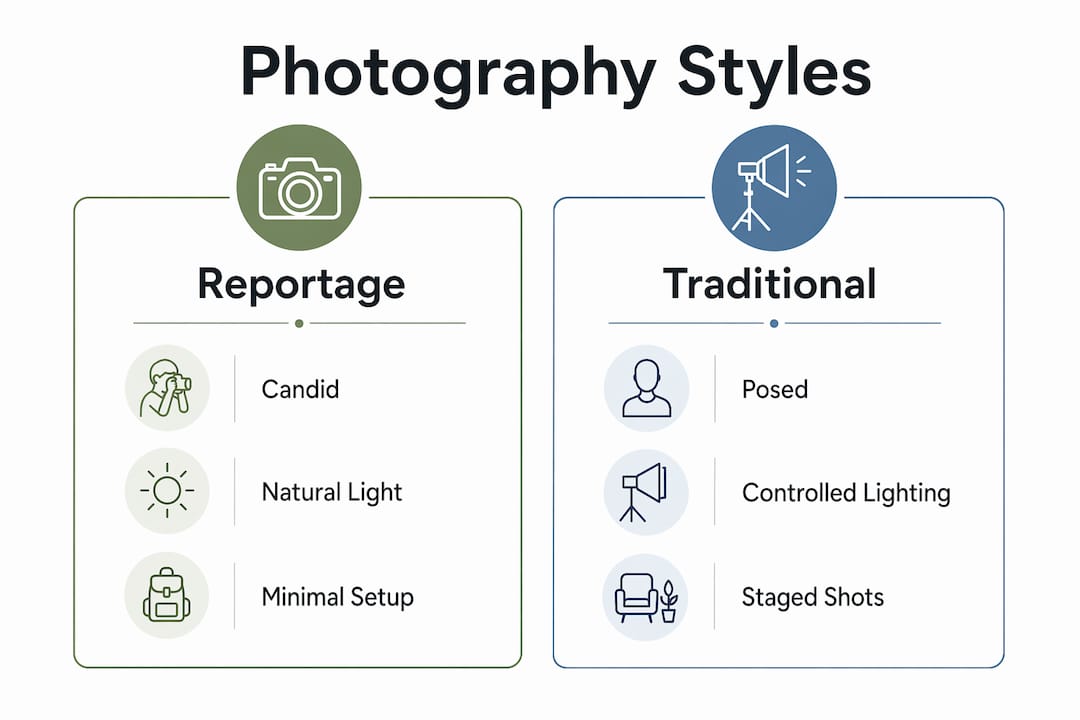
Reportage photography uses natural light, fast reactive shooting, and minimal intervention. The photographer anticipates moments rather than creating them, working with whatever light and environment the day provides. Traditional portraiture requires controlled lighting and planned environments, which leads to slower post-production and longer editing times. That technical difference shapes the entire feel of your final gallery.

The time commitment on your wedding day also differs significantly. For more information, visit our Adelaide wedding photographers page. Standard traditional wedding photography requires 20–40 minutes for family portraits and 20–30 minutes for couple portraits. That is a meaningful block of your reception or cocktail hour. Reportage coverage, by contrast, needs very little scheduled time because the photographer works around your day rather than pausing it.

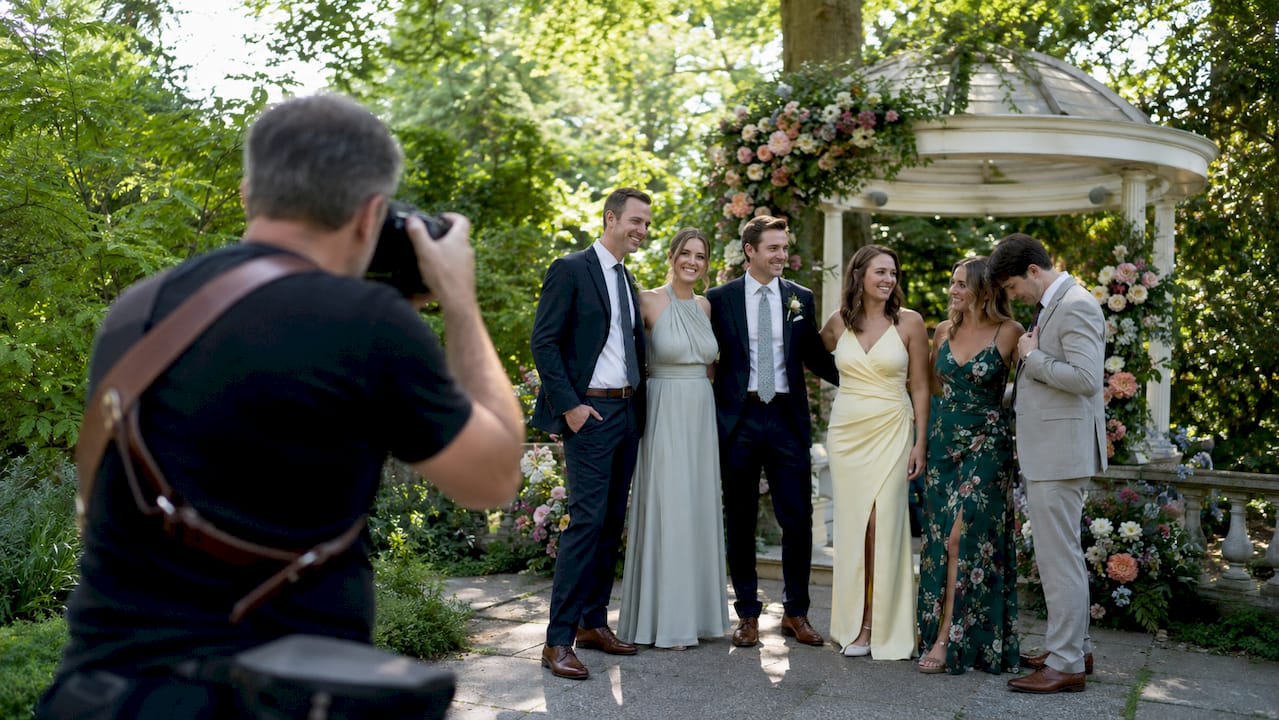
Traditional wedding group posed portrait in church

Post-processing timelines reflect this same divide. Reportage workflows prioritise agility with typical initial processing turnarounds of 24–72 hours, while traditional portraiture involves longer delivery due to more complex retouching. That does not mean one is better, just different in what you are waiting for.

Feature Reportage Traditional
Lighting approach Natural, adaptive Controlled, planned
Photographer direction Minimal to none Active posing and guidance
Time on the day Minimal scheduled sessions 40–70 minutes for portraits
Post-processing time Faster turnaround Longer due to retouching
Typical image feel Candid, spontaneous Polished, structured

Infographic comparing reportage and traditional wedding photography

Pro Tip: Ask your photographer to show you a full wedding gallery, not just a highlight reel. A full gallery reveals how consistently they deliver in both styles across an entire day.

How do the two styles differ in mood and storytelling?

Reportage creates a flowing visual narrative. Your gallery reads like a film, moving from getting ready through ceremony to reception, with genuine laughter, tears, and quiet moments woven together. The images feel lived-in because they are. Nothing was staged.

Traditional photography focuses on polished, timeless images that document key relationships and formal milestones. Think the classic shot of the bridal party lined up, or the couple posed in golden hour light with a perfectly composed background. These images are crafted rather than caught.

The emotional tone differs noticeably between the two styles:

  • Reportage delivers images of your grandmother wiping away tears, your best man cracking up during the speeches, and your partner’s face the moment they see you walk in.
  • Traditional delivers images of the full bridal party together, formal portraits with parents, and carefully lit couple shots that work beautifully as prints.
  • Reportage tells the story of what your day felt like.
  • Traditional documents who was there and what it looked like.

Neither is wrong. They answer different questions about your wedding day.

How does your photography style choice affect the wedding day experience?

Your choice of style shapes how your day actually feels, not just how it looks in photos. Traditional photography suits couples who want clear guidance and a structured experience, while reportage suits those who want to forget the camera is there and stay fully present. That is a real difference in how you spend your time.

With a traditional approach, you will set aside dedicated time for portraits. This is not a burden for everyone. Many couples enjoy having a quiet 20 minutes together during cocktail hour, away from guests, while the photographer works with them. The structure can feel reassuring.

With reportage, you move through your day freely. The photographer shadows you without interrupting. For couples who feel self-conscious in front of a camera, this is genuinely liberating. The trade-off is that purely reportage coverage may lack formal family group portraits, which can cause dissatisfaction if those shots matter to your family.

  1. Decide early whether formal family portraits are non-negotiable. If they are, build them into your timeline regardless of style.
  2. Talk to your photographer about a short shot list for key group images, even within a reportage approach.
  3. Consider a hybrid approach. A hybrid style often works best, combining traditional posed shots for key portraits with reportage coverage for ceremony and reception.
  4. Match style to personality. If you hate being directed, lean reportage. If you love polished portraits, lean traditional.

Pro Tip: Build a short shot list of 10–15 must-have group photos and share it with your photographer before the day. This protects you regardless of which style you choose.

What are the common misconceptions about reportage wedding photography?

The biggest misconception is that reportage is easy. Reportage photographers use intense focus on lighting, timing, and composition, working hard to capture spontaneous moments into a cohesive story without posing subjects. The candid appearance is the result of serious skill, not passive shooting.

Another common misunderstanding is that choosing a label guarantees a particular result. A photography label is just a starting point. Couples should review full galleries to confirm the photographer’s actual delivery matches their expectations. Two photographers who both call themselves “reportage” can produce very different work.

A few other misconceptions worth addressing:

  • “Reportage means no formal shots.” Not true. Most reportage photographers will accommodate a short list of key group images when asked.
  • “Traditional means stiff and boring.” Not true. A skilled traditional photographer creates portraits that feel warm and genuine, not like a school photo.
  • “You have to pick one.” Most couples now prefer hybrid approaches, prioritising authentic moments while still securing key formal portraits.

Reviewing entire wedding galleries, rather than curated highlight reels, is the most reliable way to understand what you are actually buying. Prioritise full gallery reviews over social media portfolios when shortlisting photographers.

Key takeaways

Reportage and traditional wedding photography serve different purposes, and the best choice depends on your personality, family expectations, and how you want your day to feel.

Point Details
Core style difference Reportage is candid and unposed; traditional is directed and structured.
Time on the day Traditional requires 40–70 minutes for portraits; reportage needs minimal scheduled time.
Emotional tone Reportage tells the story of how your day felt; traditional documents who was there.
Hybrid approach Combining both styles satisfies formal portrait needs while preserving candid coverage.
Gallery review matters Always review full wedding galleries, not highlight reels, before booking a photographer.

My honest take on reportage vs traditional photography

As an experienced wedding photographer, I have shot weddings across both styles and everything in between. The couples who are happiest with their photos are almost never the ones who picked a label. They are the ones who had an honest conversation with their photographer about what they actually wanted.

I lean toward a hybrid approach for most weddings because real life is not purely candid or purely posed. Your mum wants a photo with you. Your partner wants a beautiful portrait together. And you both want to remember the moment your best friend lost it laughing during the speeches. One style alone rarely captures all of that.

The thing I see most often go wrong is couples choosing pure reportage because it sounds relaxed and modern, then feeling disappointed there is no formal shot with the grandparents. Or choosing traditional because it feels safe, then feeling like they spent half their reception being directed. Neither outcome is inevitable with the right planning.

My advice: find your photography style before you book, not after. Look at full galleries. Ask the photographer how they handle family formals. And trust your gut about whether their personality matches yours, because you will spend the whole day with them.

— Steven

How Svenstudios can help you find the right style

Svenstudios offers authentic wedding photography across reportage, traditional, and hybrid styles, tailored to your personalities and the way you want your day to feel. Steven and Luisa work as a husband-and-wife team based in Adelaide, which means you get two perspectives and twice the coverage without the formality of a large photography crew. Every consultation starts with a genuine conversation about what matters most to you, whether that is candid storytelling, polished portraits, or a blend of both. You can also explore the wedding photography checklist to plan your shot list and timing before your big day.

FAQ

What is the main difference between reportage and traditional wedding photography?

Reportage captures your wedding day candidly without posing or directing, while traditional photography involves planned, directed portraits and group shots. The core difference is how much the photographer intervenes in your day.

Is reportage wedding photography harder to do than traditional?

Yes. Reportage requires intense focus on timing, lighting, and composition to capture spontaneous moments into a cohesive story. The candid result is the product of significant skill and experience.

Will a reportage photographer still take family group shots?

Not automatically. Purely reportage coverage may miss formal family portraits, so couples should negotiate a short shot list with their photographer in advance to cover key group images.

What is a hybrid wedding photography style?

A hybrid style combines reportage coverage for ceremony and reception with traditional posed portraits for key images. This approach often works best for couples who want both authentic moments and polished formal shots.

How do I choose between reportage and traditional photography?

Review full wedding galleries from each photographer, not just highlight reels. Then consider your comfort in front of a camera and whether formal portraits matter to your family. The choice often comes down to your desired experience on the day itself.

Recommended

  • Discover Documentary Style Photography For Authentic Wedding Memories
  • Find Your Perfect Wedding Photography Style Today
  • Authentic Wedding Photography For Your True Love Story
  • Why Natural Wedding Photography Captures Real Memories
June 25, 2026/by Steven Duncan
Page 1 of 512345

Blog

All
News
Wedding Ideas

Latest

  • Alaina and Patrick smiling at each other on a leafy path in Mt Lofty Botanic Gardens
    Proposal in the Mt Lofty Botanic Gardens – Alaina & Patrick
  • Chloe and Will embracing in a sunlit grassy field at their Al-Ru Farm wedding
    Wedding at Al-Ru Farm – Chloe & Will
  • Ada and Tom kissing beneath a stone castle-style archway at Thorngrove Manor
    Proposal at Thorngrove Manor – Ada & Tom
  • Nat and Kevin holding hands and jumping on a grassy hill at Mt Osmond Lookout
    Mt Osmond Lookout Proposal – Nat & Kevin
  • Newlyweds dancing beneath festoon lights in a rustic barn as wedding guests watch from behind
    Glen Lea Homestead Wedding – Jemma & Jake

ADELAIDE PHOTOGRAPHY SERVICES

  • Wedding Photography
  • Wedding Videography
  • Newborn Photography
  • Family Photography
  • Couples Photography
  • Proposal Photography
  • Photobooth Hire

ONLINE SHOP

    • Bridal Bouquet Charms
    • Hand Made Wedding Items
    • Super 8 Film to Digital
    • VHS to Digital
    • Live Stream Service
    • Audio Guest Book Hire
    • Happlee QR
    • SelfBooth


QUICK LINKS

  • Home
  • About Svenstudios
  • Testimonials
  • Portfolio
  • Contact
  • Sitemap

FREE SERVICES

  • SeatScan – QR Seating Chart
  • SICC – IG Carousel Composer
  • Slideshow Reel Creator

  • ABIA

AROUND AUSTRALIA & NZ

  • Adelaide
  • Darwin
  • Hobart
  • Canberra
  • Perth
  • Queenstown, NZ
  • International

PHOTO & VIDEO PACKAGES

  • Adelaide Packages
  • Australia-Wide Packages
  • New Zealand-Wide Packages

RESOURCES

  • Adelaide Wedding Venues
  • Darwin Wedding Venues

GET IN TOUCH


  • 40 Horseshoe Dr, Aberfoyle Park SA 5159


  • 0401 403 080


  • sven@svenstudios.com

OFFICE HOURS:

  • Monday-Friday 09:00 – 17:00
  • ABN – 81371854076

CONNECT WITH US


Facebook


Instagram


Pinterest


YouTube


TikTok

© Copyright - SvenStudios - Enfold WordPress Theme by Kriesi
  • Link to Facebook
  • Link to Instagram
  • Link to Youtube
  • Link to Pinterest
  • Link to TikTok
  • Link to Mail
Scroll to top Scroll to top Scroll to top